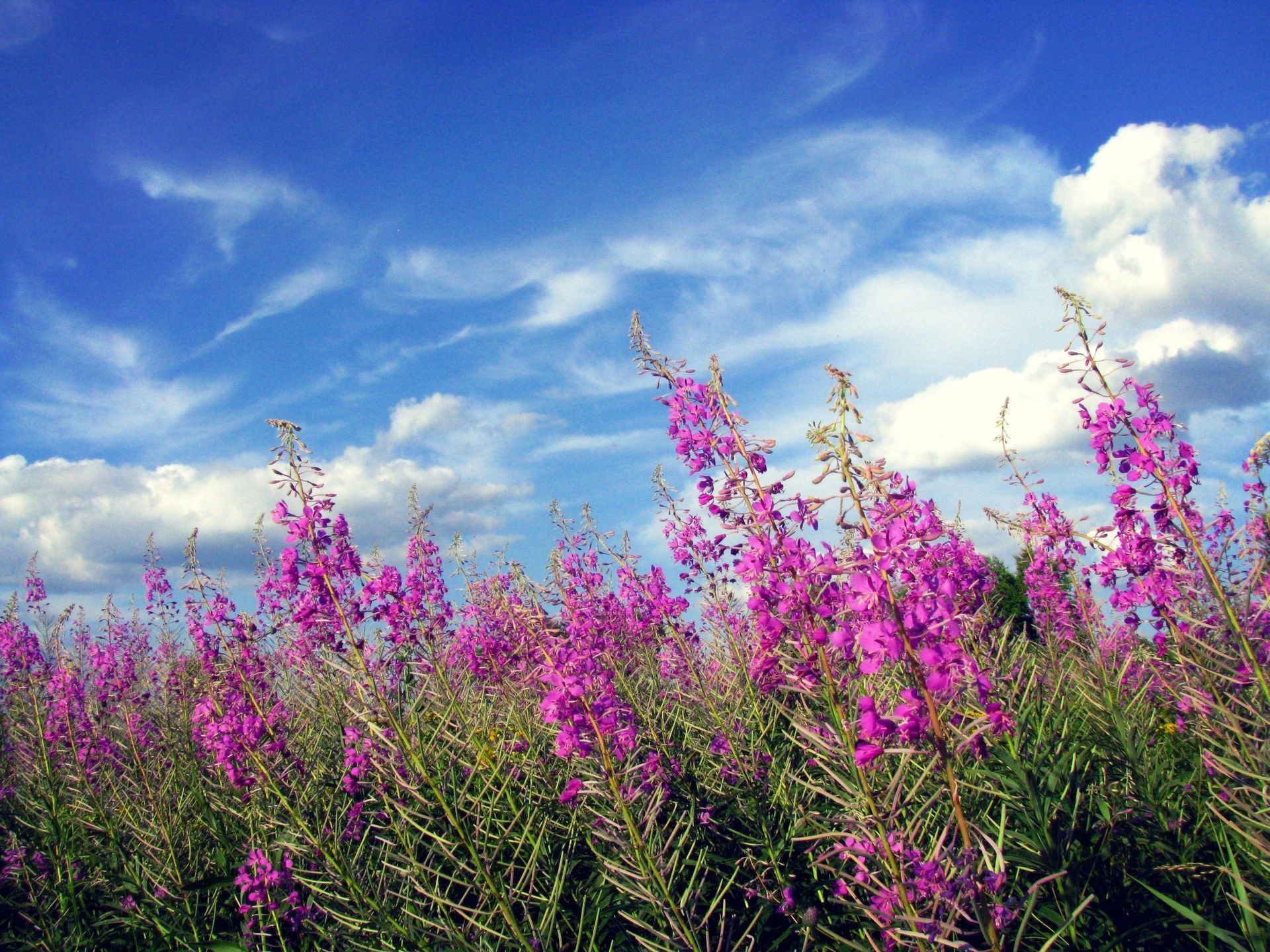
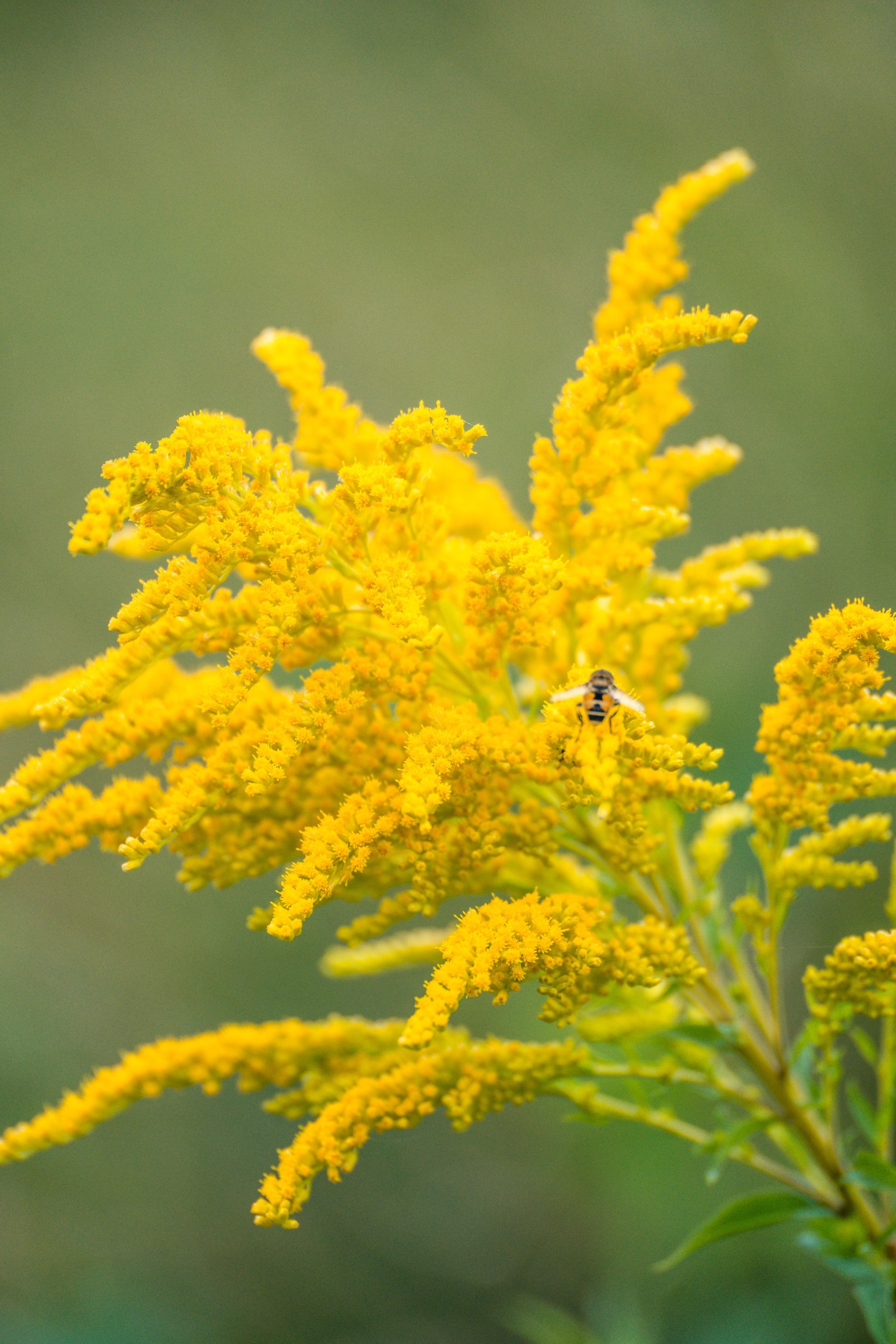
Every summer, roadsides, woodland clearings and open meadows are transformed by the striking magenta flowers of
Fireweed (Epilobium angustifolium). To many, it is simply another beautiful wildflower. To herbalists, however, it is one of nature's most remarkable medicinal plants.
Fireweed is often among the first plants to colonise land after disturbance, including areas affected by forest fires—hence its common name. This remarkable resilience has long fascinated botanists and herbalists alike. It reminds us that nature has an extraordinary ability not only to survive change but to regenerate after it. That same theme of resilience has made Fireweed an important herb in traditional herbal medicine for generations.
Traditional Uses
Across Europe, North America and parts of Asia, Fireweed has traditionally been used to support:
- Digestive comfort
- Urinary tract health
- Prostate health
- Minor skin irritations
- Recovery after illness
- General wellbeing
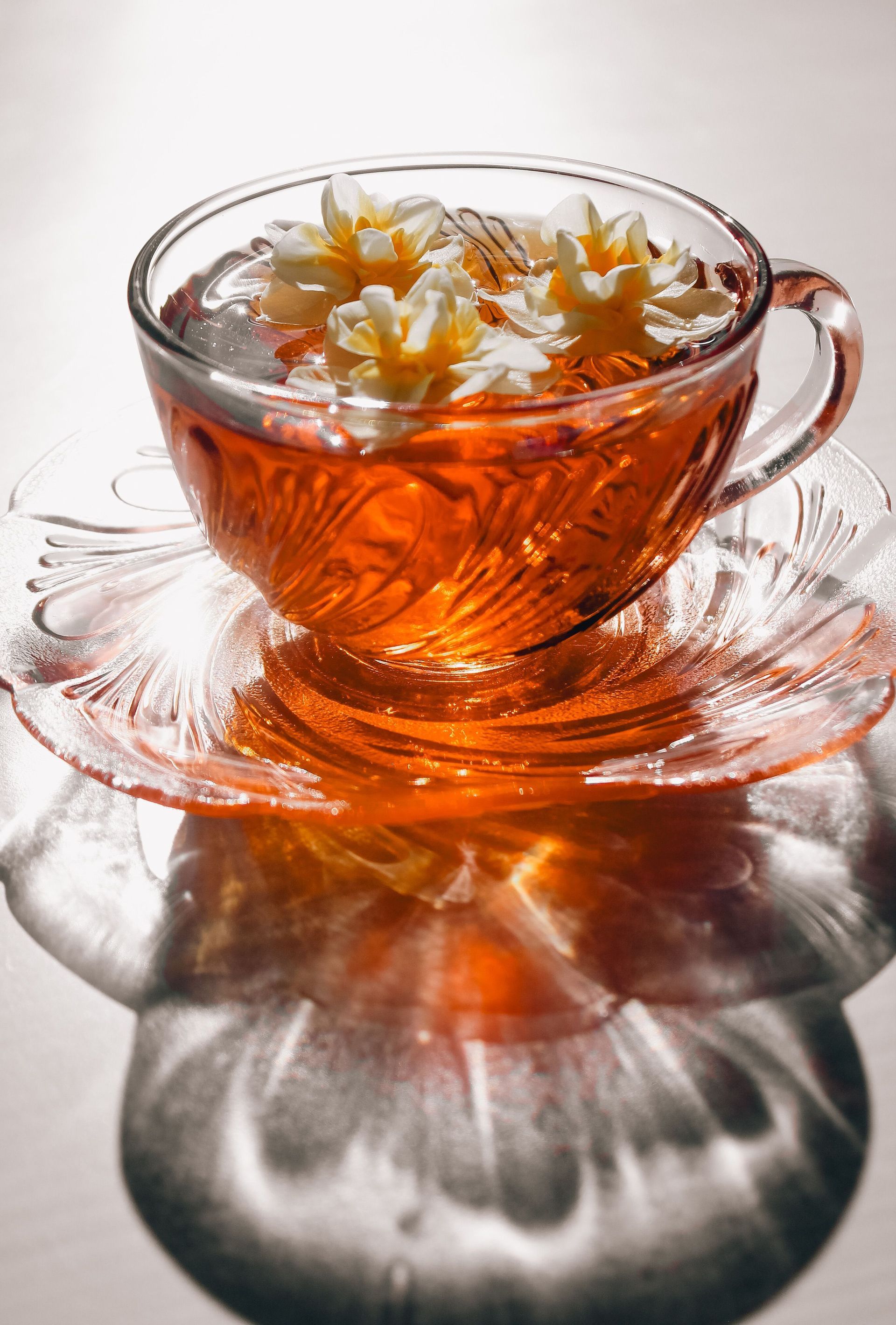
Its young shoots were also eaten as a seasonal vegetable in many cultures, while its leaves were prepared as herbal infusions.
What Does Modern Science Tell Us?
Modern research has identified numerous naturally occurring compounds within Fireweed, including:
- Polyphenols
- Flavonoids
- Ellagitannins (particularly oenothein B)
- Phenolic acids
These compounds have attracted scientific interest because of their biological activities.
Research is currently investigating Fireweed for its potential:
- antioxidant activity,
- influence on inflammatory pathways,
- support of urinary and prostate health,
- antimicrobial properties,
- effects on tissue protection and repair.
While many of these findings come from laboratory and preclinical studies, they provide valuable insight into why this plant has been appreciated in traditional herbal medicine for centuries.
Fireweed and Chronic Inflammation
One of the reasons Fireweed continues to attract scientific interest is its rich content of polyphenolic compounds.
Rather than thinking of inflammation as something that is simply "good" or "bad", it is more helpful to recognise it as one of the body's essential protective responses. Problems arise when inflammatory processes become prolonged or fail to resolve appropriately.
Researchers are exploring how compounds within Fireweed may influence these complex inflammatory pathways. This remains an active area of investigation, and further human studies are needed to understand its clinical significance.
More Than Individual Molecules
One of the most fascinating aspects of medicinal plants is that they rarely contain just one active constituent. Fireweed contains hundreds of naturally occurring compounds that exist together within the plant.
Rather than acting through a single isolated molecule, herbal medicine traditionally considers the plant as a complex biological system whose constituents may work together in ways that are still being explored by modern science. This systems perspective is one of the reasons medicinal plants continue to inspire scientific research.
A Herbalist's Perspective
At Wildberry Clinic, we don't choose herbs simply because they have been traditionally used or because one laboratory study appears promising. We begin by understanding the person.
Every herb has strengths, limitations and appropriate clinical uses. The role of a medical herbalist is to understand physiology, pathology, current medications and the individual's health before deciding whether a particular herb is appropriate. Knowledge matters just as much as the herb itself.
🌿 Key Takeaways
- Fireweed (Epilobium angustifolium) has a long history of traditional use in herbal medicine.
- Modern research is investigating its antioxidant and anti-inflammatory properties, as well as its potential role in urinary and prostate health.
- Fireweed contains a complex mixture of naturally occurring compounds rather than a single "active ingredient."
- Herbs should always be considered within the context of the individual and used appropriately.
📅 Coming Next Week
Understanding Health: Why inflammation doesn't always hurt—and why that's important.