First, let's clarify what modern
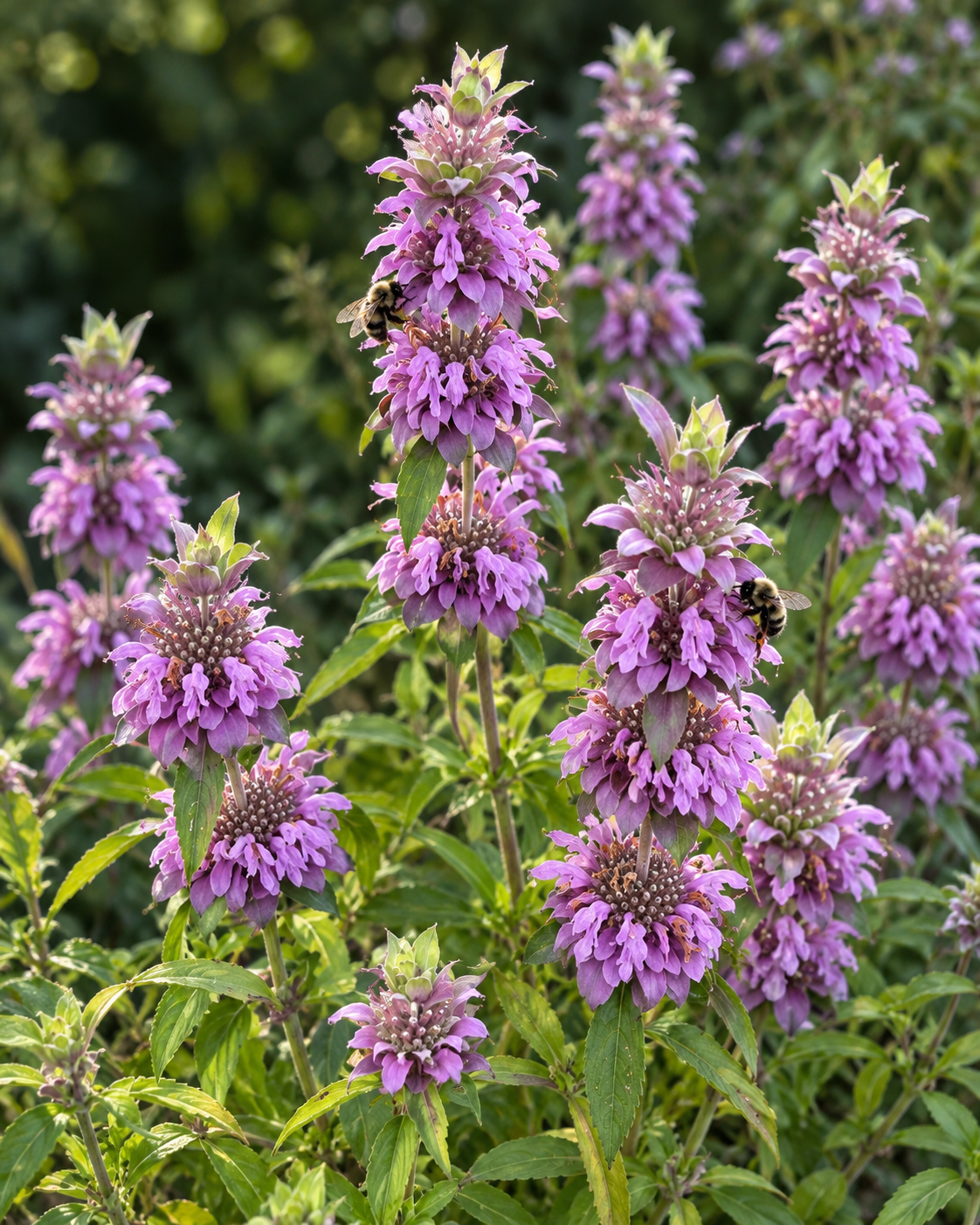
clinical herbal medicine is. There are many misconceptions, but today's practitioners are academically educated, use conventional diagnostics, and have an in-depth understanding of physiology, pathology, and plant chemistry. It is a clinical discipline, either as independent primary care or as a complementary therapy alongside biomedicine.
Medical herbalism nowadays blends thousands of years of traditional plant-based healing with contemporary scientific research and diagnostic testing. By integrating these traditions, it focuses on evidence-informed practice, standardising plant extracts to ensure consistent active compounds, and ensuring treatments are safe when used alongside conventional pharmaceuticals. Unlike conventional biomedicine, it sees patterns rather than isolated symptoms and focuses on the
root cause of illness and
individual constitution. Consequently, it is excellent for preventative care and for chronic and degenerative disease, hormonal imbalances, stress and anxiety reduction, overall wellness, and as supportive care for patients undergoing biomedical treatments for serious illness like cancer.
Herbal treatments use whole plants, containing a complex mix of active and supporting compounds. These chemicals interact with human cellular receptors, metabolic enzymes, and the gut microbiome to support health and prevent chronic disease. Isolating only select 'active' ingredients, as in synthetic biology, changes how the body processes drugs.
Despite perceived safety, plants can contain potent toxins, and herbal supplements are frequently regulated as food rather than drugs, leading to potential issues with contamination, misidentification, or drug interactions. As a result, it is essential to seek the help of a qualified and registered herbal practitioner who is knowledgeable about herb-drug interactions and uses controlled herb suppliers.
In contrast, conventional medicine relies on evidence-based science, standartisation and precision. It treats illness with synthetic pharmaceuticals, surgery, chemotherapy and radiation. This approach treats specific symptoms, diseases, infections and injuries. It is highly effective and fast-acting, making it ideal for injuries and acute, life-threatening care.
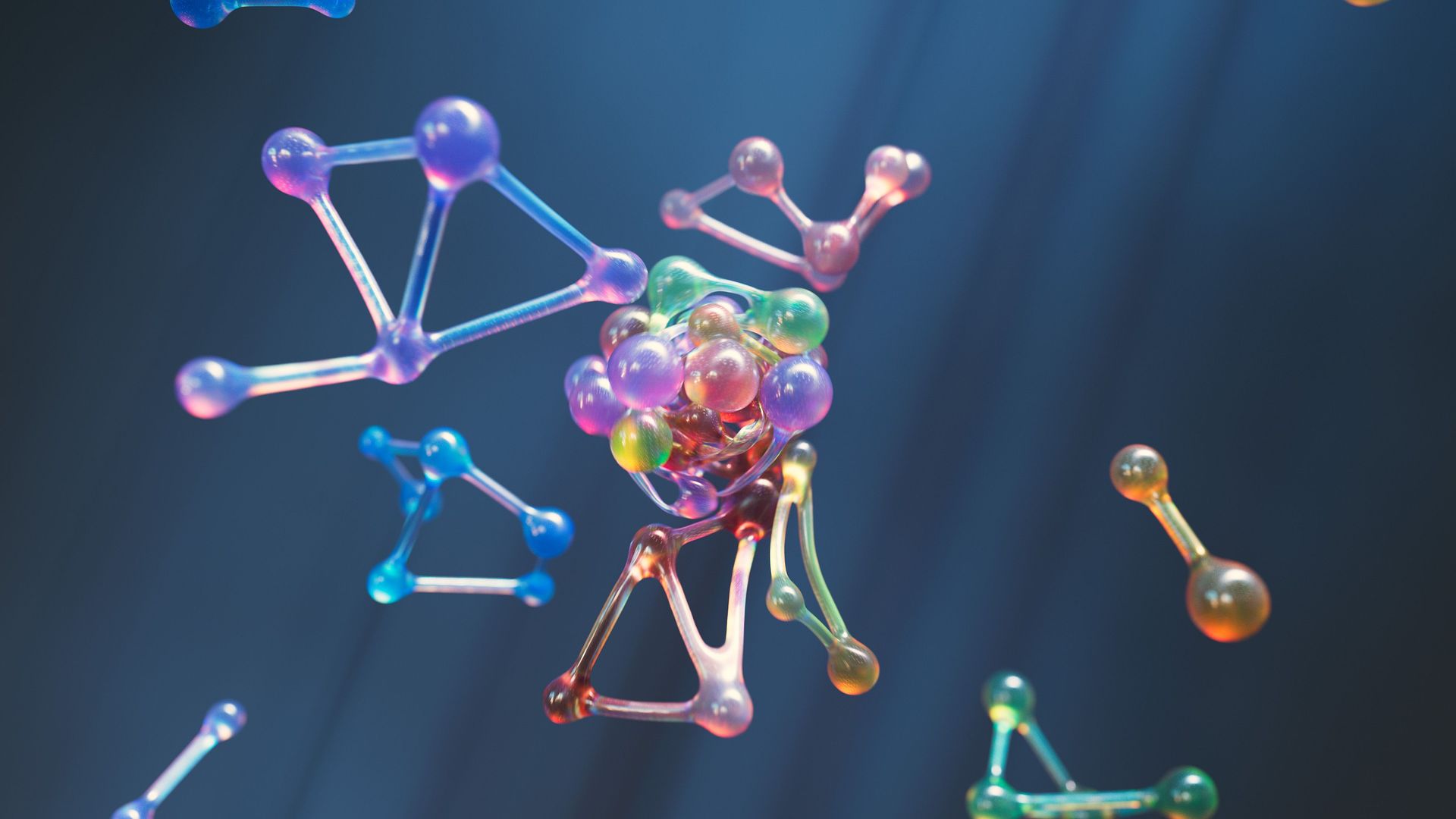
Additionally, synthetic pharmaceuticals rely on laboratory-manufactured, highly purified, single-compound drugs. They are engineered to interact with very specific biological targets in the body (e.g., specific cell receptors or enzymes) to trigger an immediate, predictable reaction. These drugs are highly regulated by governing bodies (such as the
HPRA in Ireland or the
FDA in the US). Their side effect profiles are well-documented, though they can be harsh or cause more acute adverse reactions than milder botanicals.
However, while synthetic biology can replicate and improve the production of individual active plant compounds, it cannot totally replace herbal medicine. The reason is that traditional herbal remedies rely on the synergistic effects of dozens of different compounds working together, which scientists still cannot fully map or artificially replicate.
Integrative medicine aims to combine the best of the two. It blends both systems into modern integrative healthcare, using synthetic medicine for acute, life-threatening conditions and herbal remedies for chronic disease management or general wellness. This approach leverages the strengths of both systems, treating the whole person.
Herbal medicine works alongside conventional treatments to manage side effects, strengthen immunity, and improve quality of life. Protocols are personalized to consider lifestyle, diet, emotional health, and physical needs.
Importantly, a major focus of integrative medicine is identifying how herbal remedies interact with conventional pharmaceuticals. Because herbs can amplify, diminish, or cause dangerous side effects when mixed with standard drugs (e.g., St. John's wort decreasing the effectiveness of blood thinners or birth control), practitioners carefully cross-reference a patient's full regimen to avoid adverse reactions.
Ultimately, in a truly integrative model, medical doctors, certified herbalists, and other complementary therapists communicate to build a cohesive treatment plan. This collaboration ensures that all aspects of a patient’s care are monitored for safety and effectiveness, allowing for natural therapies to complement modern medical diagnostics.
References
Barnum CR, Endelman BJ and Shih PM (2021) Utilizing Plant Synthetic Biology to Improve Human Health and Wellness. Front. Plant Sci. 12:691462. doi: 10.3389/fpls.2021.691462
Biala G, Kedzierska E, Kruk-Slomka M, Orzelska-Gorka J, Hmaidan S, Skrok A, Kaminski J, Havrankova E, Nadaska D, Malik I. Research in the Field of Drug Design and Development. Pharmaceuticals (Basel). 2023 Sep 11;16(9):1283. doi: 10.3390/ph16091283. PMID: 37765091; PMCID: PMC10536713.
Due A. What are side effects? Eur J Philos Sci. 2023;13(1):16. doi: 10.1007/s13194-023-00519-8. Epub 2023 Mar 11. PMID: 36936702; PMCID: PMC10006551.
Fong HH. Integration of herbal medicine into modern medical practices: issues and prospects. Integr Cancer Ther. 2002 Sep;1(3):287-93; discussion 293. doi: 10.1177/153473540200100313. PMID: 14667286.
Li C-Q, Lei H-M, Hu Q-Y, Li G-H and Zhao P-J (2021) Recent Advances in the Synthetic Biology of Natural Drugs. Front. Bioeng. Biotechnol. 9:691152. doi: 10.3389/fbioe.2021.691152
Mayo Clinic. Integrated Medicine Overview.
https://www.mayoclinic.org/vid-20259880
Mortada EM. Evidence-Based Complementary and Alternative Medicine in Current Medical Practice. Cureus. 2024 Jan 10;16(1):e52041. doi: 10.7759/cureus.52041. PMID: 38344508; PMCID: PMC10857488.
Wink M. Modes of Action of Herbal Medicines and Plant Secondary Metabolites. Medicines (Basel). 2015 Sep 8;2(3):251-286. doi: 10.3390/medicines2030251. PMID: 28930211; PMCID: PMC5456217.
World Health Organisation. Traditional, Complementary and Integrative Medicine.
https://www.who.int/health-topics/traditional-complementary-and-integrative-medicine#tab=tab_1