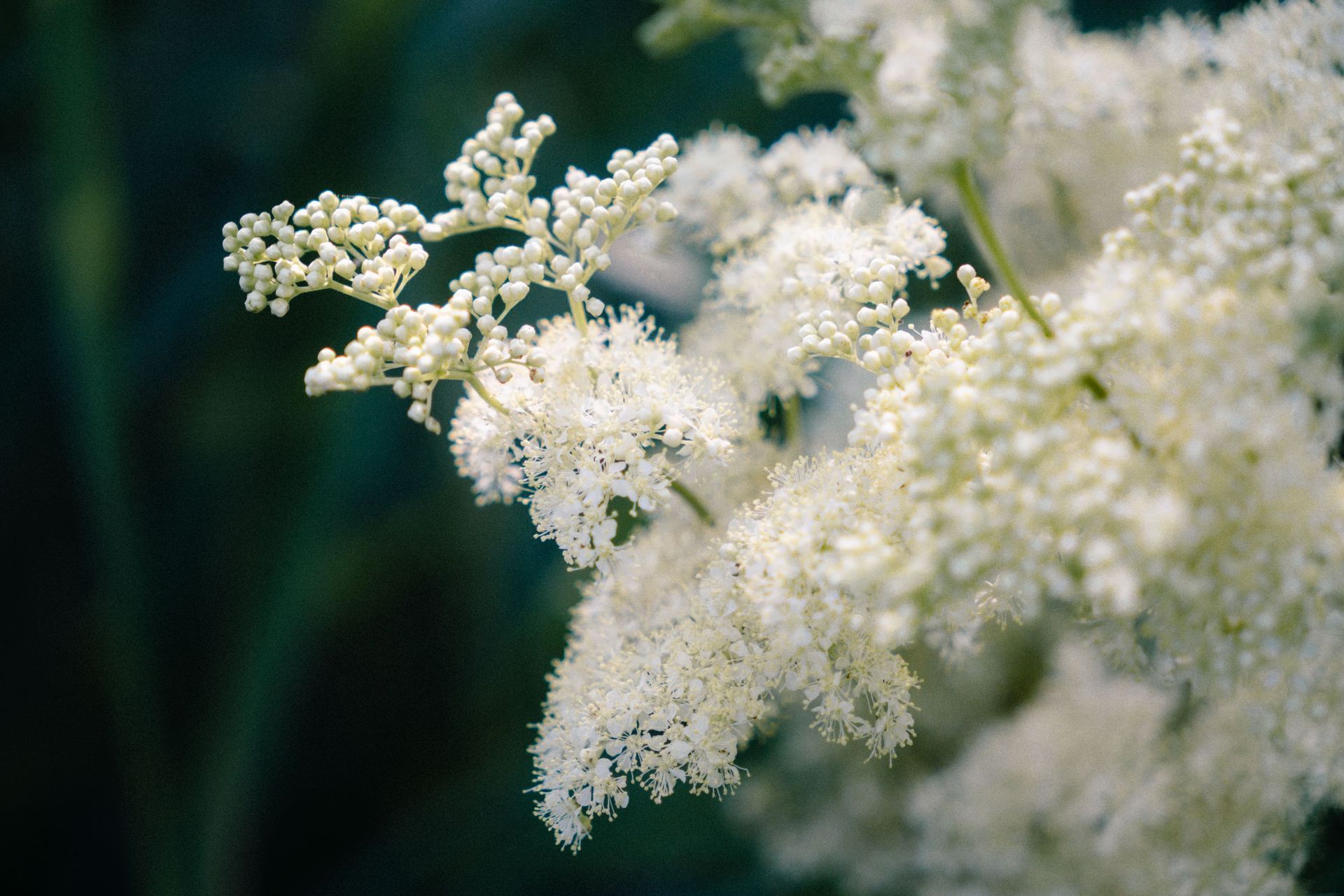
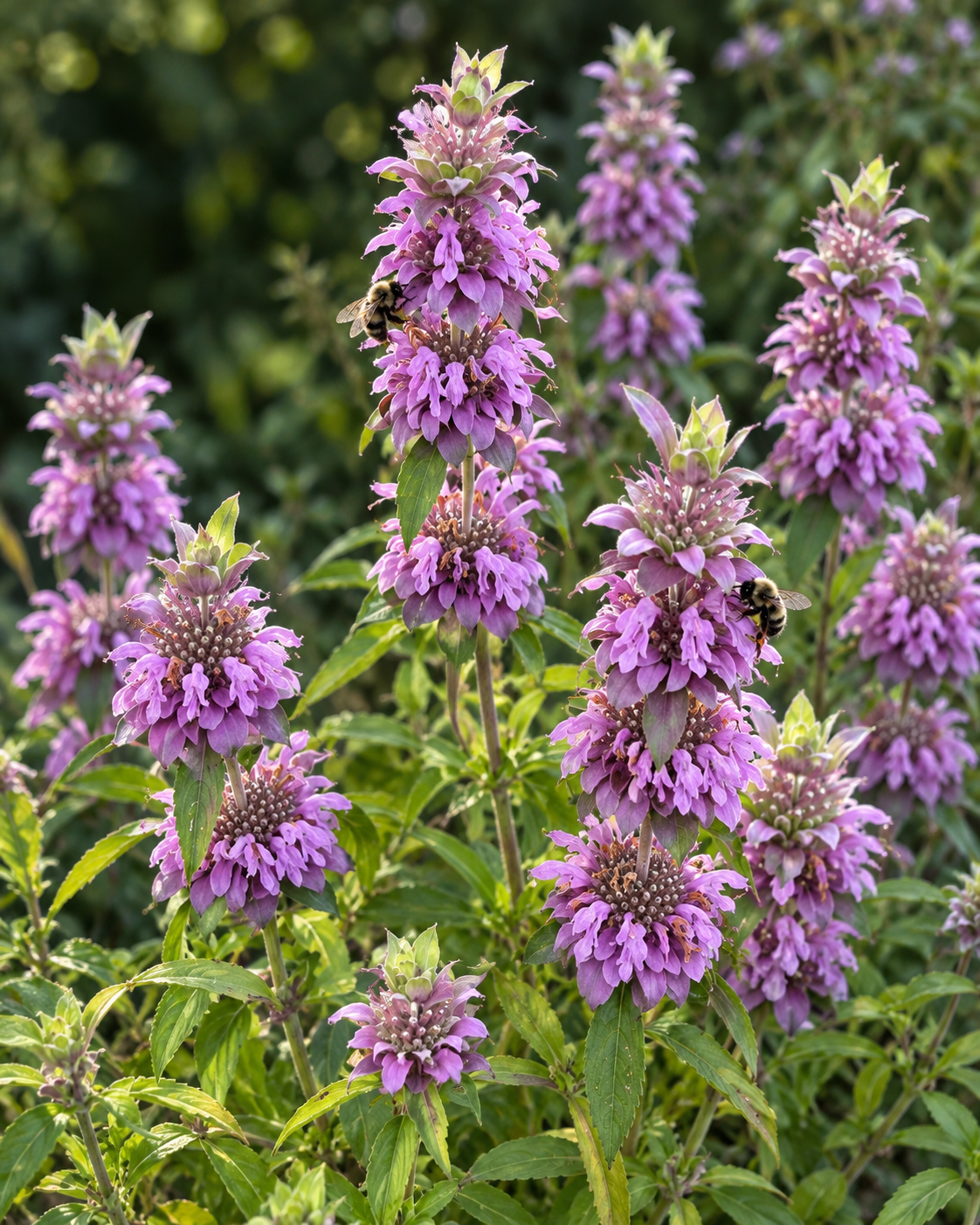
In midsummer, Meadowsweet rises above damp meadows, riverbanks and roadside ditches in clouds of creamy-white flowers. Its fragrance is sweet, warm and slightly almond-like—so distinctive that the dried flowers were once scattered across floors to perfume homes and great halls. Meadowsweet was also used to flavour mead, placing it at the centre of domestic life, ceremony and celebration long before it entered the modern herbal dispensary.
Yet behind its delicate appearance lies an intriguing medicinal story. Meadowsweet has a long association with inflammation, fever and aching joints, while herbalists have also valued it for soothing and supporting an irritated stomach lining.
How can one plant have such apparently different uses? The answer lies in the whole plant—not in one isolated chemical.
Meet the plant
Botanical name: Filipendula ulmaria
Older botanical name: Spiraea ulmaria
Family: Rosaceae
Common names: Meadowsweet, Queen of the Meadow, Bridewort, Meadwort
Parts used: The flowering tops and flowers
Meadowsweet is a perennial member of the rose family. It is native to Ireland, Britain and much of Europe, extending eastwards across temperate Asia. It favours moist ground and is commonly found in wet meadows, marshes, ditches and beside streams. The plant usually grows to around a metre tall. Its leaves are deeply divided and toothed, often with a pale or whitish underside. During summer, the upright stems carry broad, frothy clusters of many tiny, strongly scented flowers.
In herbal medicine, it is primarily the
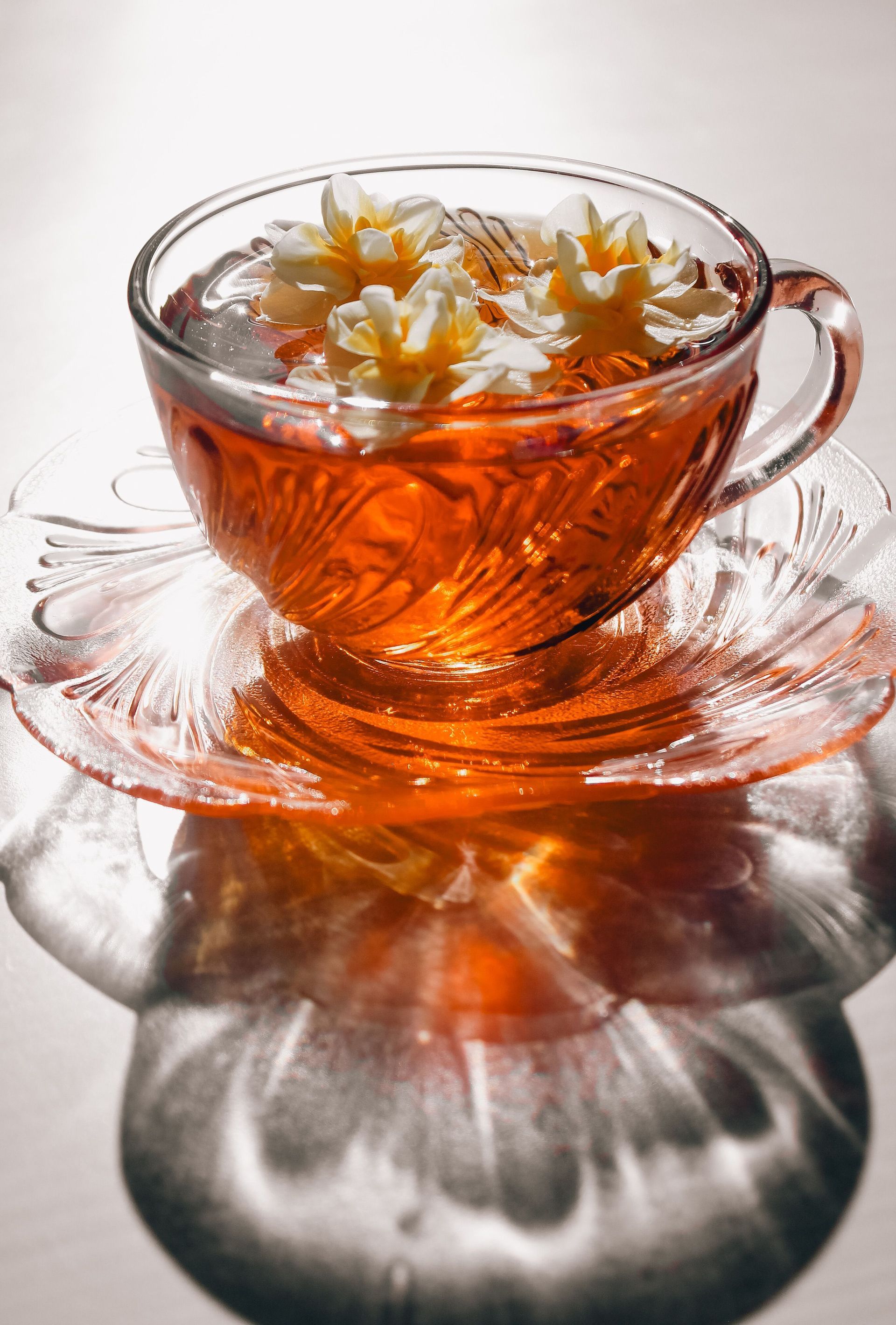
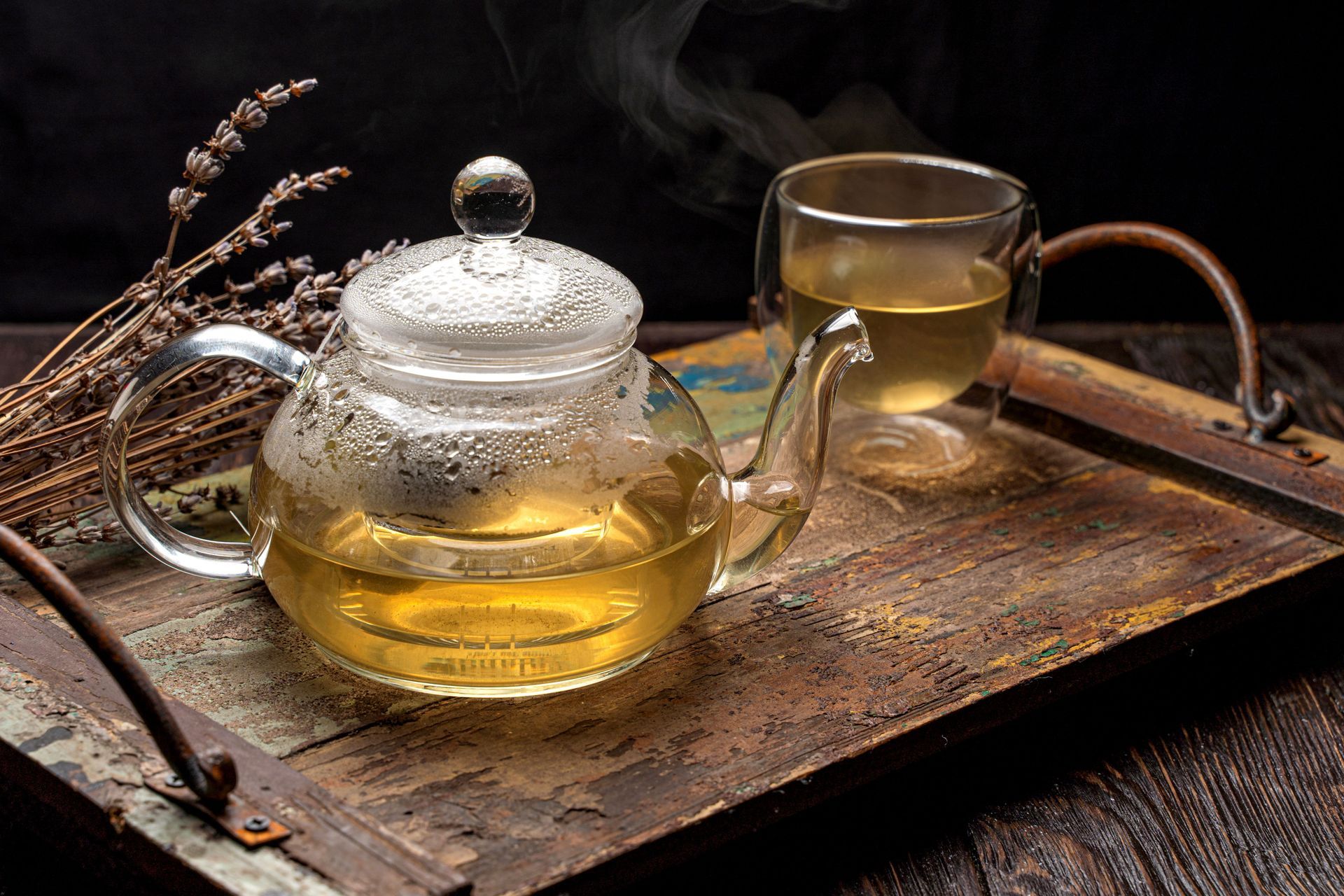
dried flowering tops or flowers that are used. European medicinal records describe them as herbal teas, powdered preparations, liquid extracts and tinctures.
A brief history
The history of Meadowsweet extends beyond medicine. Its lasting fragrance made it a valued
strewing herb: the flowers were scattered across floors to freshen rooms and halls. It was reportedly favoured by Elizabeth I for perfuming her chambers. Meadowsweet was also used during Anglo-Saxon times to flavour mead, which may help explain the old name
Meadwort.
Its documented European medicinal use reaches back at least to the late sixteenth and seventeenth centuries. Over time, it was used in relation to inflammatory and rheumatic complaints, fevers, colds, urinary elimination and digestive conditions. Historical British herbal sources also described it as an antacid, astringent and stomachic, with uses that included acid dyspepsia, gastritis and peptic ulceration.
This history gives Meadowsweet an unusual position: it belongs both to the story of the European household herb and to the development of modern pharmaceutical medicine.
The connection with aspirin
Meadowsweet was previously classified botanically as
Spiraea ulmaria. The name
Aspirin is generally understood to combine the “A” from acetyl with “spir” from Spiraea, followed by “in,” a common ending used for medicines at the time. However, Meadowsweet is
not aspirin in plant form.
Aspirin is acetylsalicylic acid: one chemically defined and manufactured compound with well-characterised pharmacological actions.Meadowsweet contains a much broader and more variable mixture, including:
- salicylaldehyde and methyl salicylate
- salicylate-related glycosides
- flavonoids such as spiraeoside, quercetin and kaempferol derivatives
- hydrolysable tannins, including rugosin and tellimagrandin compounds
- aromatic constituents, organic acids and smaller quantities of other plant compounds
The quantities also vary according to the part of the plant, habitat, stage of flowering, drying and method of extraction. Studies of Meadowsweet essential oil, for example, have found salicylaldehyde and methyl salicylate to be its dominant volatile salicylates, while the flowering herb also contains substantial flavonoid and tannin fractions. This is why the medicinal plant cannot be understood by looking only at its relationship with aspirin.
Traditional herbal medicine
Supporting an irritated stomach lining
One of Meadowsweet’s most interesting traditional uses is in prescriptions intended to
soothe and support the gastric lining. This is not the same as using a bitter herb to stimulate digestion. Meadowsweet has traditionally been selected where the stomach itself appears irritated—for example, in acid dyspepsia, gastritis-like presentations or ulcer-related irritation.
Its tannins provide an astringent influence on tissues, while its flavonoids and other polyphenols may contribute antioxidant and inflammatory-modulating effects. In experimental research, Meadowsweet flower preparations and isolated constituents helped preserve the integrity of the gastric mucosa in animal models of acute injury.
Colds and fever
Meadowsweet has also traditionally been used during colds, influenza-like illnesses, chills and fever. Warm infusions were used as part of the traditional approach to encouraging perspiration and supporting the body during a febrile illness. European monographs continue to recognise its long-standing use as supportive therapy for common-cold symptoms.
Muscles and joints
Its association with inflammation also led to its use for:
- aching muscles
- rheumatic and arthritic pain
- minor painful joint conditions
- stiffness and musculoskeletal discomfort
European herbal records describe the flowering tops as infusions, liquid extracts and tinctures for rheumatic muscle and joint pain. The EMA’s medicinal-plant assessment places Meadowsweet within the therapeutic areas of pain, inflammation, coughs and colds.
Phytochemistry: more than salicylates
Salicylate-related compounds
These are the compounds most closely associated with Meadowsweet’s reputation for inflammation, pain and fever. They include salicylaldehyde, methyl salicylate and related glycosides.
However, the total salicylate content of the dried herb is relatively low and much of it is present in bound forms. Meadowsweet therefore should not be treated as a dose-for-dose substitute for aspirin or other anti-inflammatory medicines.
Flavonoids
Meadowsweet contains several flavonoids, including:
- spiraeoside
- rutin
- hyperoside
- isoquercitrin
- quercetin derivatives
- kaempferol derivatives
A 2023 laboratory study found that digestion and transformation by gut microorganisms changed Meadowsweet’s flavonoids from glycoside forms into compounds including quercetin, kaempferol and apigenin. Both the original extract and its transformed metabolites demonstrated anti-inflammatory activity in laboratory assays, suggesting that the biological effect may arise from the combined activity of several constituents and their metabolites.
Tannins
The flowering herb contains hydrolysable tannins, including rugosin D and tellimagrandins.
Tannins interact with proteins at tissue surfaces and are traditionally associated with astringent and protective actions. In Meadowsweet, they may be particularly relevant to its use for irritated mucous membranes and the gastric lining. Experimental gastroprotective research has identified both flavonoid and tannin constituents as potential contributors.
What does modern research tell us?
Modern research broadly supports three areas of interest.
1. Inflammatory pathways
Cell and laboratory studies suggest that Meadowsweet extracts and their metabolites can influence inflammatory pathways, including cyclooxygenase activity, prostaglandin production and NF-κB signalling. The effect appears to involve the interaction of flavonoids, tannins, salicylate-related compounds and their metabolites rather than one single “active ingredient.”
2. Gastric mucosal protection
Animal research has shown that Meadowsweet preparations may help preserve gastric mucosal integrity after experimentally induced injury. Spiraeoside and the tannin tellimagrandin II were among the compounds associated with protective effects in these models.
This finding is especially interesting because aspirin and many conventional non-steroidal anti-inflammatory drugs can irritate the stomach lining.
3. The importance of the whole extract
Research increasingly suggests that Meadowsweet’s effects may depend upon
additive or synergistic activity between its constituents and the compounds produced as they are metabolised by the digestive system and microbiome.
This is a central principle in herbal medicine. The action of a plant preparation cannot always be predicted from its most famous molecule.
From Plant to Prescription
Today, medical herbalists use Meadowsweet’s flowering tops in individualised prescriptions to:
- soothe and support an irritated or inflamed stomach lining
- provide support during colds and fevers
- address inflammatory musculoskeletal pain and aching joints
The herb is commonly prepared as an
infusion or tincture and is often combined with other plants selected for the individual presentation.
For gastric irritation, Meadowsweet may be prescribed alongside herbs with soothing, demulcent or tissue-supporting properties. Historical British sources record combinations with Marshmallow, Althaea officinalis, and Lemon Balm, Melissa officinalis, for gastric conditions.
In a cold or fever formula, it may be combined with other herbs traditionally used to support circulation, perspiration, the respiratory tract or immune response.
In a musculoskeletal prescription, Meadowsweet may form one part of a broader approach that considers the nature of the pain, inflammatory activity, digestive tolerance, medication use and the wider health of the person.
The aim is not to use Meadowsweet as a botanical replacement for an aspirin tablet. It is to understand:
- which part of the plant is being used
- how it has been prepared
- which constituents are likely to be extracted
- what physiological process requires support
- what other herbs or treatments are appropriate
- whether Meadowsweet is safe for that particular patient
That is the difference between simply knowing a plant and knowing how to prescribe it.
Safety and considerations
Meadowsweet should not be used by people with a known
allergy or hypersensitivity to salicylates.
The EMA notes that direct clinical evidence concerning drug interactions is limited. Because Meadowsweet contains salicylate-related compounds, professional advice is sensible for people taking aspirin, other non-steroidal anti-inflammatory medicines, anticoagulants or antiplatelet medicines, even though the plant’s salicylate content and pharmacology differ substantially from pharmaceutical aspirin.
Use during
pregnancy and breastfeeding is not recommended because adequate safety evidence is unavailable. The current European monograph also does not recommend medicinal use in children and adolescents under 18 without medical advice because of insufficient data.
Persistent stomach pain, vomiting, difficulty swallowing, unexplained weight loss, anaemia, black stools or blood in vomit require prompt medical assessment. Meadowsweet must not be used to delay the investigation or treatment of a possible gastric ulcer or other serious gastrointestinal condition.
🌿 Key takeaways
- Meadowsweet is a fragrant European wildflower with a long history in domestic life, food and herbal medicine.
- Its older name, Spiraea ulmaria, contributed to the naming of aspirin—but Meadowsweet and aspirin are chemically and clinically distinct.
- Herbalists use the flowering tops to support an irritated gastric lining, colds and fever, and inflammatory muscle or joint pain.
- Its activity is likely to arise from the combined influence of salicylate-related compounds, flavonoids, tannins and their metabolites.
- Traditional use and preclinical research are promising, but robust human clinical trials remain limited.
🌱 A Herbalist’s Perspective
Meadowsweet is a good example of why medicinal plants should not be reduced to one familiar compound. Its connection with aspirin is fascinating, but it tells only part of the story. In clinical herbal practice, Meadowsweet is valued precisely because it brings several properties together: inflammatory modulation, tissue astringency, aromatic warmth and an affinity with the gastric lining.
The prescription is shaped not only by what the plant contains, but by the person receiving it, the preparation used and the wider purpose of the formula.
Educational and medical disclaimer
This article is provided for educational and informational purposes only. It does not replace medical diagnosis, treatment or consultation with a doctor, pharmacist, medical herbalist or other appropriately qualified healthcare professional. Do not stop or alter prescribed medication without consulting the prescribing clinician. Scientific knowledge and herbal-medicine evidence continue to evolve, and recommendations may change as new research becomes available.