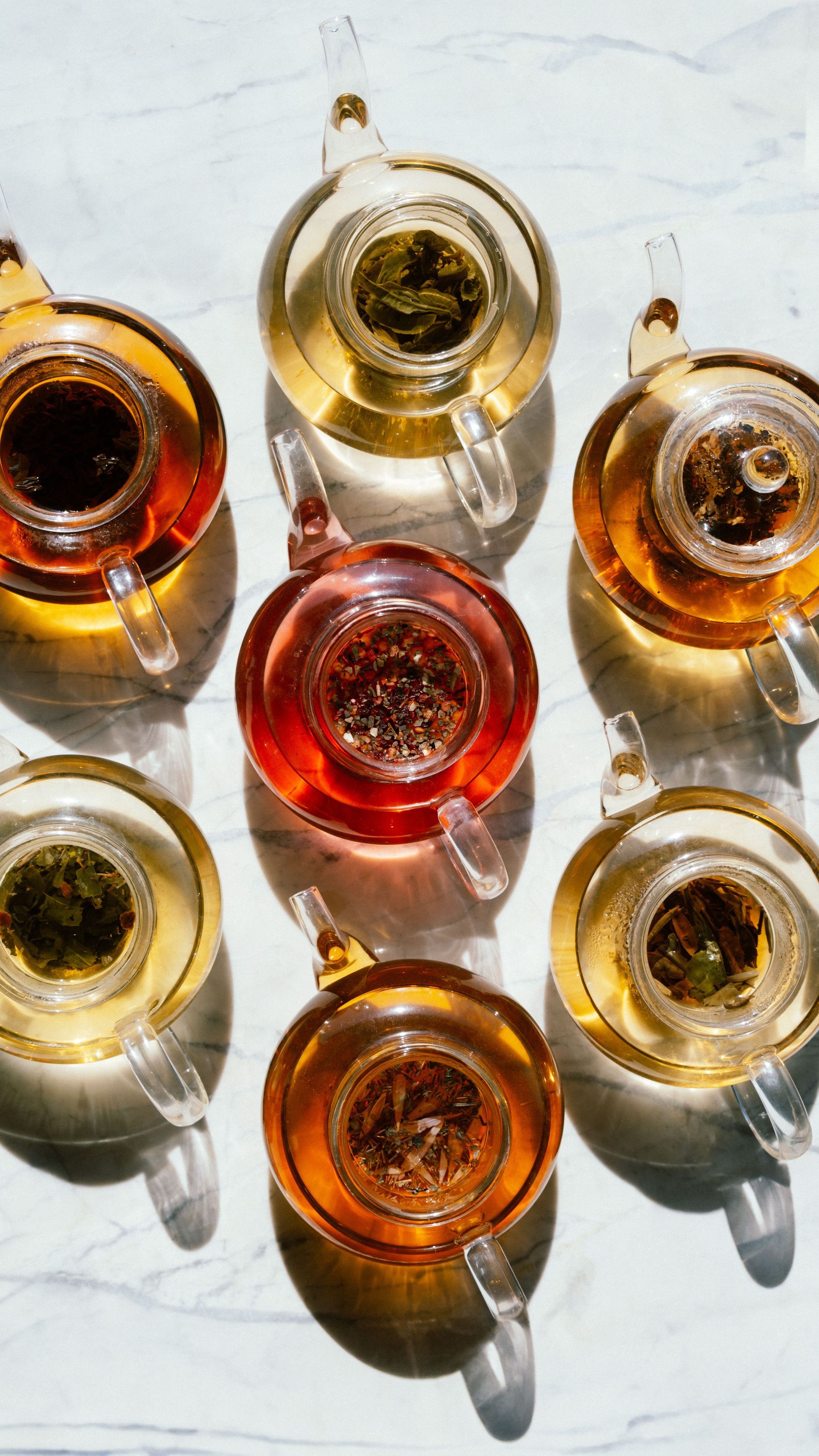
Autumn has a way of sending us back to the kitchen. The kettle goes on more often, soup becomes a proper meal again, and ginger, cinnamon, and a bubbling pot start to feel particularly inviting.
It's also a lovely time to think about seasonal immunity. Herbal traditions have long made room for this kind of preparation — nourishing the body, tending digestion, and building resilience before winter really arrives.
So what belongs in an autumn apothecary, and how do we turn it into something useful, delicious, and easy to make?
Immunity Begins Where We Meet the World
Think of immunity as a living terrain — not a wall to be defended, but the whole inner landscape where the body meets everything outside it. Skin, the lining of our airways, our gut and its resident microbes: these are the meeting points, the places where the exchange between us and the world actually happens.
Behind these meeting points sits a whole network of immune cells and lymphatic tissue, quietly recognising threats, tolerating harmless visitors, remembering past encounters, and settling inflammation once the job is done. That takes nourishment, energy, and rest — good food, real rest, and a bit of seasonal attention give this whole terrain what it needs to do its work well.
Herbal support for immunity really works in two directions. Some herbs tend the terrain itself — the deep, slow-building foundation the immune response arises from. Others act more directly on resistance, waking up the innate immune cells that meet a threat head-on. A well-stocked autumn apothecary makes room for both.
Which Herbs Belong in the Autumn Apothecary?
Different herbs bring different strengths. Some tend the terrain itself, some sharpen innate resistance, and others belong more in the soup pot or the cup than in a formula at all.
Digestive bitters — tending the terrain
Gentian, dandelion root, and artichoke leaf are the traditional digestive repertoire — used to wake up the appetite and ease digestive discomfort. This matters more than it might seem: a good deal of immune tissue lives along the gut lining, so looking after digestion is really looking after terrain.
For an easy kitchen version, reach for chicory, rocket, and radicchio. A small handful alongside a meal, dressed with olive oil and lemon, brings that bitter note right onto the plate.
Strengthening tonics — building reserves
Astragalus, or huang qi, holds a central place in Chinese herbal tradition for strengthening qi and supporting the body's protective energy, or Wei Qi. Like the bitters above, it works on terrain rather than on any one immune cell — it belongs to the slower rhythm of replenishment, not quick fixes.
Panax ginseng is a classic tonic for fatigue and weakness, and rhodiola is traditionally reached for during stretches of stress and exhaustion. Their role here is supporting resilience when daily demands are taking their toll — purposeful herbs rather than something everyone needs together, and a good tonic still leaves room for rest.
The familiar seasonal plants — waking up resistance
Echinacea, elderberry, and garlic work differently from the herbs above — they act more directly on the innate immune response itself, the first-responder cells that meet a threat head-on. This is the group most people reach for once something's already going around, rather than as a slow daily habit.
Echinacea sits among the more medicinal preparations, while cooked elderberries and garlic offer an easy, everyday connection to the kitchen. A pot of elderberry cordial, garlic tossed into meals, a cupboard stocked with the essentials — these are what make the tradition tangible. Each has its own character and purpose, so there's no need to throw everything into one jar.
The wider herbal repertoire
The broader herbal tradition also includes cleavers, calendula, violet, burdock, and red clover for lymphatic and alterative support; dandelion root and milk thistle for the liver; and nettle leaf and dandelion leaf for fluid balance — all, again, terrain-level support rather than direct resistance. These describe particular traditional roles rather than a shopping list — which ones belong in your own routine depends on what you actually need them for.
Colourful plants and everyday aromatics
Bilberries, grapes, and green tea add further colour and variety to a plant-rich diet, while rosemary, turmeric, and chamomile offer easy, familiar ways to bring herbs into daily life. Rosemary tucked around roasting vegetables, turmeric stirred into a meal, a cup of chamomile at the end of the day — the home apothecary can start with things you already enjoy.
Warming spices — small quantities, plenty of character
Spices have always lived comfortably between the kitchen and the apothecary. Their warmth and digestive ease make them natural companions to nourishing roots, berries, and broths.
- Cinnamon brings a sweet warmth and pairs beautifully with elderberries and ginger. Ceylon cinnamon is the gentler choice if you're using it often.
- Clove is intensely aromatic — one or two whole cloves give a pot of berries real depth, so a little goes a long way.
- Ginger is the kitchen staple with the longest résumé: warming, settling, and wonderful in both broth and fruit drinks.
- Nutmeg and allspice round out a preparation gently, easing digestion without overpowering anything else in the pot.
- Star anise adds a distinctive sweet anise note and a traditional digestive role — just make sure you're using genuine Chinese star anise from a good supplier, since the Japanese variety isn't edible.
Their real value is in combination — one brings pungency, another sweetness, another depth — building a preparation good enough to want to make again.
Into the Kitchen
A useful apothecary doesn't need twenty jars. Start with garlic, fresh ginger, a few culinary mushrooms, some bitter salad leaves, a handful of warming spices, honey, and food-grade dried black elderberries. These three preparations give you somewhere to begin.
1. Autumn Mushroom and Ginger Broth
Inspired by Chinese dietary therapy. A nourishing broth to build into your week — add beans, lentils, tofu, or chicken if you'd like something more substantial. Makes about four servings.
Ingredients
- 150 g fresh shiitake mushrooms, sliced
- 1 onion, chopped
- 2 carrots, sliced
- 3 garlic cloves, sliced
- 15 g fresh ginger, sliced
- 1 litre low-salt vegetable or chicken stock
- 2 spring onions, sliced
- A handful of leafy greens
- Optional: cooked beans, lentils, tofu, or chicken
Method
Place the mushrooms, onion, carrots, garlic, and ginger in a saucepan with the stock. Bring to the boil, then simmer gently for 30–40 minutes, until everything is tender and the mushrooms are cooked through.
Add the greens, spring onions, and any cooked extras for the last few minutes, just to heat through. Remove the ginger slices if you'd rather not eat them.
Serve in a generous bowl — there's no special time for this one, lunch works beautifully. If astragalus is already part of your own herbal routine, it's a lovely addition here.
2. Spiced Elderberry Cordial
A small, alcohol-free preparation inspired by the fruit rob tradition. Dark berries, fragrant spices, and a little honey make a rich, comforting autumn drink.
Ingredients
- 30 g food-grade dried black elderberries (Sambucus nigra)
- 350 ml water
- 5 g fresh ginger, sliced
- 1 small Ceylon cinnamon stick
- 1 whole clove
- 2 allspice berries
- Optional: a small pinch of grated nutmeg
- 50 g honey
Method
Pick over the berries and remove any stalks. Put the berries, water, and spices into a saucepan, bring to the boil, and let it bubble gently for about 10 minutes, then simmer for another 15, topping up with a splash of water if the pan looks dry.
Strain through a fine sieve or muslin, without pressing the seeds through. Measure the liquid — you want around 200 ml, so simmer it down a little further or top up with hot water as needed. Stir the honey into the warm liquid.
This makes about 230–250 ml. For an adult serving, stir a tablespoon into a mug of warm water and adjust to taste. Keeps well in the fridge for a couple of days, or freeze it in small portions for later. Elderberries should always be cooked — raw berries, stems, and leaves aren't for eating.
An optional brandy finish
For an adult version, stir
30 ml brandy into the finished batch of spiced elderberry cordial once it has cooled. This gives the preparation a richer flavour that pairs beautifully with cinnamon, clove and ginger. Dilute a tablespoon in warm water for serving.
3. An Elderberry Honey-and-Vinegar Drink
Honey and vinegar have a long history together in preparations known as oxymels. There's an Irish thread here too: Tadhg Ó Cuinn's 1415 Materia Medica records a simple honey-and-vinegar oxymel, and its entry on elder describes a related preparation using the root bark. This kitchen version, using the cooked berries above, is a gentle modern echo of that older tradition.
For one adult serving
- 1 tablespoon of the cooked elderberry cordial, above
- 1 teaspoon cider vinegar
- 100–150 ml warm water
- A little extra honey, if you'd like it sweeter
Stir together and drink freshly made — gently sweet and tart, so adjust the water to taste. Leave the vinegar out if it doesn't sit well with you.
Make It a Rhythm You Enjoy
The best autumn routine is one you'll actually want to repeat. Keep ginger by the kettle. Make enough broth to freeze a few portions. Put bitter greens on the shopping list. Let an earlier evening occasionally become an earlier night.
Seasonal immune support grows out of ordinary, repeated attention — to nourishment, rest, and resilience. The home apothecary just gives those habits some flavour, fragrance, and a welcome place in everyday life.
Disclaimer
This article is for general information and shares traditional herbal approaches to seasonal wellbeing. It does not replace individual medical advice. Before using medicinal herbs, seek professional guidance if you take medication, have an autoimmune condition, take immunosuppressants, are pregnant or breastfeeding, or are choosing remedies for children. Follow preparation and storage instructions carefully. Honey is unsuitable for babies under one year, and recipes containing alcohol are for adults who can safely consume it.
References
Bone, K. and Mills, S. (2013). Principles and Practice of Phytotherapy: Modern Herbal Medicine. 2nd ed. Churchill Livingstone Elsevier.
Hoffmann, D. (2003). Medical Herbalism: The Science and Practice of Herbal Medicine. Healing Arts Press.
World Health Organization (1999). WHO Monographs on Selected Medicinal Plants. Volume 1. Geneva: WHO.
European Medicines Agency. Echinaceae purpureae herba.
https://www.ema.europa.eu/en/medicines/herbal/echinaceae-purpureae-herba
European Medicines Agency (2019). Gentian root: Summary for the public. EMA/836995/2018.
https://www.ema.europa.eu/en/documents/herbal-summary/gentian-root-summary-public_en.pdf
European Medicines Agency. Cynarae folium.
https://www.ema.europa.eu/en/medicines/herbal/cynarae-folium
European Medicines Agency. Ginseng radix.
https://www.ema.europa.eu/en/medicines/herbal/ginseng-radix
European Medicines Agency. European Union herbal monograph on Rhodiola rosea L., rhizoma et radix. Revision 1.
https://www.ema.europa.eu/en/documents/herbal-monograph/final-european-union-herbal-monograph-rhodiola-rosea-l-rhizoma-et-radix-revision-1_en.pdf
National Center for Complementary and Integrative Health. Astragalus.
https://www.nccih.nih.gov/health/astragalus
National Center for Complementary and Integrative Health. Elderberry.
https://www.nccih.nih.gov/health/elderberry
National Center for Complementary and Integrative Health. Cinnamon.
https://www.nccih.nih.gov/health/cinnamon
National Center for Complementary and Integrative Health. The Common Cold and Complementary Health Approaches.
https://www.nccih.nih.gov/health/providers/digest/the-common-cold-and-complementary-health-approaches
National Institutes of Health, Office of Dietary Supplements. Dietary Supplements for Immune Function and Infectious Diseases: Fact Sheet for Health Professionals.
https://ods.od.nih.gov/factsheets/ImmuneFunction/
Ó Cuinn, T. An Irish Materia Medica. “Sambucus,” subsection 238. CELT, University College Cork.
https://celt.ucc.ie/published/G600005/text268.html
An Irish Materia Medica. Accompanying Latin source material, “Accetum, oxiren, oxiriun,” subsection 9. CELT, University College Cork.
https://celt.ucc.ie/published/G600006/text331.html
University of Minnesota Extension (2026). Elderberries the safe way.
https://extension.umn.edu/about/our-stories/news/cottage-food-connection/elderberries-the-safe-way
Food Safety Authority of Ireland. Storing food safely.
https://www.fsai.ie/consumer-advice/food-safety-and-hygiene/storage
Health Canada (2004). Health Canada advises consumers not to ingest teas or health products containing star anise unless it is identified as Chinese star anise.
https://www.canada.ca/en/news/archive/2004/06/health-canada-advises-consumers-not-ingest-teas-health-products-containing-star-anise-unless-identified-chinese-star-anise.html