Menopause brings many changes, and one of the most important—yet often overlooked—is bone health. As estrogen levels decline, bone resorption (breakdown) increases faster than new bone can be formed. As a result density can decrease, increasing the risk of fractures and osteoporosis over time. Managing osteoporosis involves a combination of nutritional strategies and lifestyle changes aimed at reducing bone loss, improving bone density, and preventing fractures.
Supporting bone density during and after menopause may include:
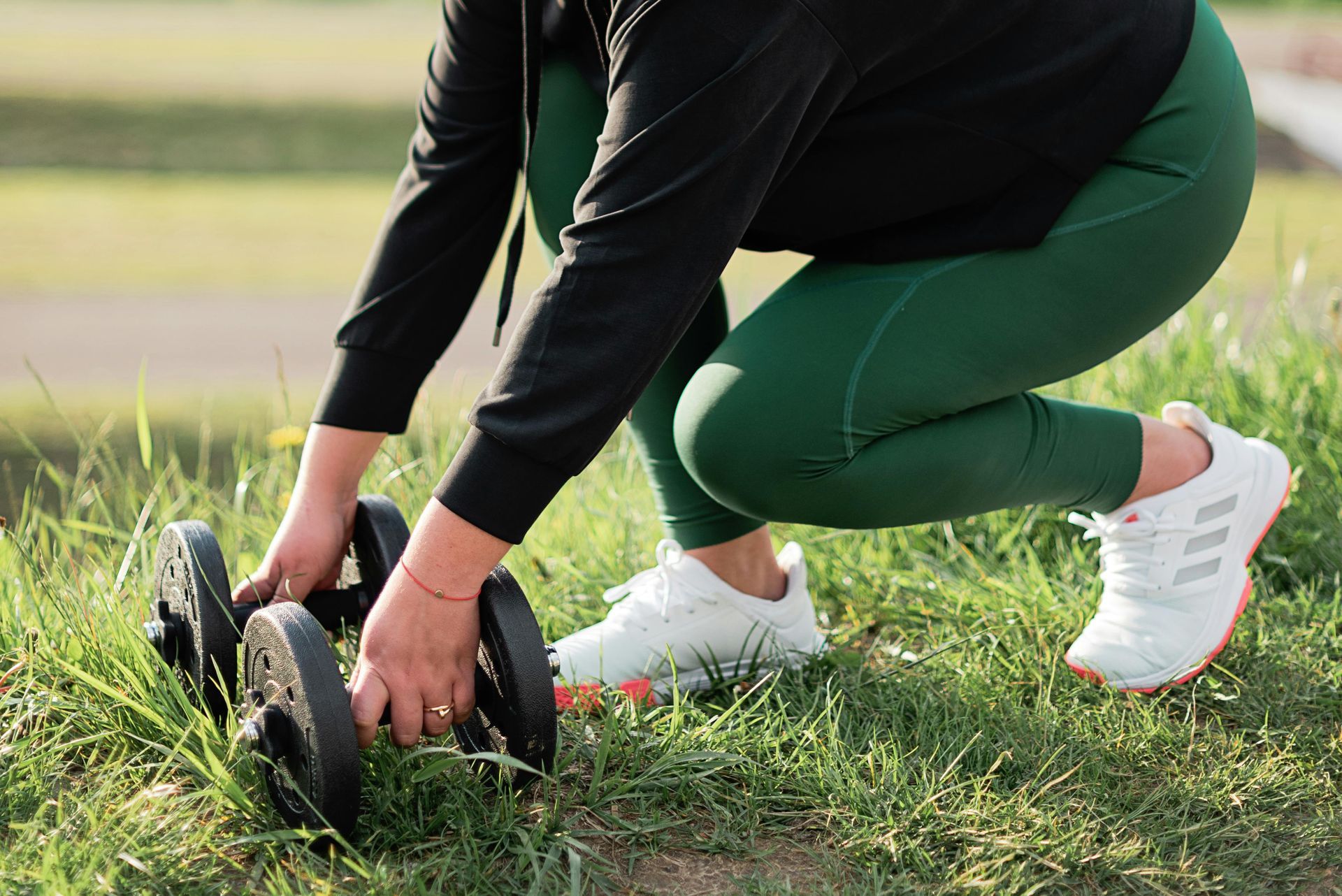
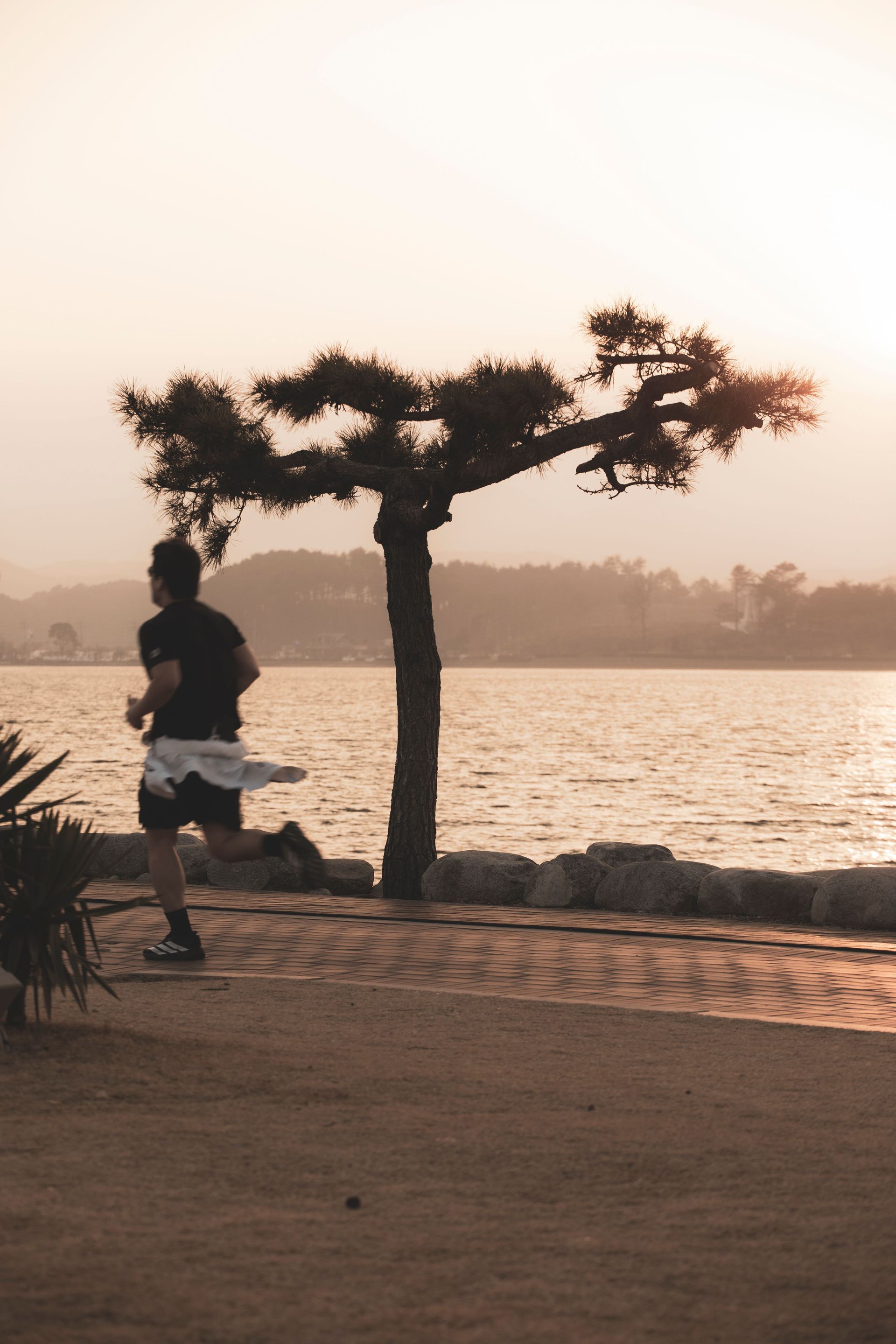
✔️ Regular weight-bearing and resistance exercises
✔️ Adequate calcium and vitamin D intake
✔️ Sufficient protein in your diet
✔️ Avoiding smoking and limiting excessive alcohol consumption
✔️ Discussing bone health screenings with your healthcare provider
Herbal medicines and supplements
The main herbal strategies to minimise the risk of developing osteoporosis and prevent bone loss are:
·
Use of phytoestrogens or herbs with oestrogen-balancing properties
·
Bone strengthening and bone promoting medicinal mushrooms
·
Medicinal plants that improve bone mineralisation
Some of the more known herbal treatments include:
Red Clover
- Contains isoflavones (plant compounds with estrogen-like effects).
- Some studies suggest benefits for bone turnover markers, helping reduce bonel loss and improve bonedensity.
Soy isoflavones
- Among the better-studied plant compounds for postmenopausal bone health.
- Research suggests possible benefits for preserving bone density by modulating bone remodelling.
Horsetail
- Particularly rich in silica, an essential mineral for bone health.
- A study including 122 women showed that the groups taking horsetail experienced improved bone density compared to the group who took calcium.
Reishi
· Containes polysaccharides and triterpenoids contributing to bone strength and improving bone density.
Epimedium
- Used in traditional Chinese medicine.
- Some preliminary studies suggest potential bone-protective effects
Nutritional botanicals
- Diet rich in Calcium (dairy products, leafy vegetables, tofu, almonds)
- Adequate levels of vitamine D, supplement when needed. Foods rich in vitamine D include oily fish and egg yoks.
- Fruits and vegetables rich in potassium and antioxidants
- The Framingham Osteoporosis Study found a protective role of carotenoids in bone mineral density. There was a protective association between lycopene intake and 4-year change in the bone mineral density of the lumbar spine in women, and a significant protective association between intakes of total carotenoids, beta-carotene, lycopene, and lutein in bone mineral density in men
- Legumes, including soy foods
- Nuts and seeds
- Adequate protein intake
- Limiting excessive alcohol and smoking
- High sodium intake can increase calcium excretion and bone loss.
Other supplements
- Vitamin K2
- Magnesium (if deficient)
- Prunes (dried plums), which have shown some promising research for bone preservation
- Protein supplementation
Medical disorders that can accelerate bone loss
A number of medical conditions can cause osteoporosis or make bone loss occur more rapidly than expected after menopause. A careful examination and assessment is always recommended.
- Endocrine (hormonal) disorders
- Gastrointestinal and malabsorption disorders
- Rheumatologic and inflammatory disorders
- Kidney and liver disorders
- Blood and bone marrow disorders
Other contributors include:
- Vitamin D deficiency
- Low calcium intake
- Chronic undernutrition
- Low body weight
- Smoking
- Excessive alcohol use
- Prolonged immobilisation
Medications that commonly accelerate bone loss
- Long-term corticosteroids (such as Prednisone)
- Some anti-seizure medications
- Aromatase inhibitors used for breast cancer
- Certain androgen-deprivation therapies for prostate cancer
- Long-term excess thyroid hormone replacement
When to investigate secondary causes
If a postmenopausal woman has:
- Osteoporosis at a relatively young age
- Rapidly declining bone density
- Multiple fractures
- Osteoporosis despite healthy lifestyle measures
- Unexplained abnormalities in calcium, vitamin D, or kidney function
This blog is intended as an informational guide. The remedies, approaches, and techniques described herein are meant to supplement, and not be a substitute for, professional medical care or treatment. They should not be used to treat a serious ailment without prior consultation with a qualified health care professional.
References
Armas LA, Recker RR. Pathophysiology of osteoporosis: new mechanistic insights. Endocrinol Metab Clin North Am. 2012;41(3):475-486.
Leung PC, Siu WS. Herbal treatment for osteoporosis: a current review. J Tradit Complement Med. 2013 Apr;3(2):82-7. doi: 10.4103/2225-4110.110407. PMID: 24716161; PMCID: PMC3924968.
Abd Jalil MA, Shuid AN, Muhammad N. Role of medicinal plants and natural products on osteoporotic fracture healing. Evid Based Complement Alternat Med. 2012;2012:714512. doi: 10.1155/2012/714512. Epub 2012 Sep 2. PMID: 22973405; PMCID: PMC3438813.
Marcucci G, Domazetovic V, Nediani C, Ruzzolini J, Favre C, Brandi ML. Oxidative Stress and Natural Antioxidants in Osteoporosis: Novel Preventive and Therapeutic Approaches. Antioxidants (Basel). 2023 Feb 3;12(2):373. doi: 10.3390/antiox12020373. PMID: 36829932; PMCID: PMC9952369.
Ji MX, Yu Q. Primary osteoporosis in postmenopausal women. Chronic Dis Transl Med. 2015 Mar 21;1(1):9-13. doi: 10.1016/j.cdtm.2015.02.006. PMID: 29062981; PMCID: PMC5643776.
Muñoz-Garach A, García-Fontana B, Muñoz-Torres M. Nutrients and Dietary Patterns Related to Osteoporosis. Nutrients. 2020 Jul 3;12(7):1986. doi: 10.3390/nu12071986. PMID: 32635394; PMCID: PMC7400143.
Zheng X, Lee SK, Chun OK. Soy Isoflavones and Osteoporotic Bone Loss: A Review with an Emphasis on Modulation of Bone Remodeling. J Med Food. 2016 Jan;19(1):1-14. doi: 10.1089/jmf.2015.0045. Epub 2015 Dec 15. PMID: 26670451; PMCID: PMC4717511.
Yang Y, Yang B. Anti-osteoporosis effect of Ganoderma (lingzhi) by inhibition of osteoclastogenesis. In: Jin Y, ed. Ganoderma and Health: Pharmacology and Clinical Application. CRC Press; 2019:263-269.
Guo Y, Li Y, Xue L, et al. Salvia miltiorrhiza: an ancient Chinese herbal medicine as a source for anti-osteoporotic drugs. J Ethnopharmacol. 2014;155(3):1401-1416.
Li W, Lee SH, Jang HD, Ma JY, Kim YH. Antioxidant and anti-osteoporotic activities of aromatic compounds and sterols from Hericium erinaceum. Molecules. 2017;22(1):108.