Roman chamomile has been treasured in European herbal medicine for centuries. Best known for its calming effects, this fragrant member of the daisy family is far more than a bedtime tea. Traditionally valued for digestive discomfort, nervous tension, skin irritation and inflammation, it remains one of the most versatile herbs in the herbalist's dispensary.
Meet the Plant
Roman chamomile (Chamaemelum nobile) is a low-growing aromatic perennial belonging to the Asteraceae (daisy) family. It grows to approximately 20–50 cm in height, producing finely divided, feathery leaves and distinctive white daisy-like flowers with bright yellow centres.
When gently crushed, the foliage releases a delicate apple-like fragrance, which inspired its ancient Greek name Chamaemelum, meaning
"ground apple" (chamai = on the ground, mēlon = apple).
Parts used:
·
Flower heads
·
Leaves (less commonly)
A Brief History
Despite its common name, Roman chamomile did not originate in Rome. Historical records suggest that it was cultivated in Britain long before the sixteenth century. The name "Roman chamomile" was introduced in 1598 after the botanist Joachim Camerarius encountered the plant growing abundantly near Rome.
The species name
nobile, meaning "noble", reflected the high regard in which herbalists held the plant and its medicinal qualities.
Throughout the Middle Ages, Roman chamomile became a familiar herb in monastery physic gardens, where it was prescribed for digestive complaints, headaches, fevers and "melancholy of the spirits."
During the Elizabethan and Victorian periods, Roman chamomile was also cultivated as fragrant lawns and garden pathways. Walking across the plants released their sweet apple scent into the air—a tradition that still survives in some historic English gardens.
Traditional Herbal Uses
Roman chamomile has long been regarded as one of the gentlest medicinal herbs and is suitable for people of all ages, including children when appropriately prepared.
Traditionally it has been used to support:
The Nervous System
·
Mild anxiety
·
Restlessness
·
Difficulty sleeping
·
Nervous tension
·
Irritability
Rather than producing heavy sedation, Roman chamomile encourages relaxation while allowing normal mental function.
Digestive Health
Roman chamomile combines several complementary actions:
·
Aromatic
·
Bitter
·
Carminative
·
Antispasmodic
·
Anti-inflammatory
Together these actions may help to:
·
Ease flatulence
·
Relieve dyspeptic discomfort
·
Reduce intestinal cramping
·
Support healthy digestion
·
Encourage digestive secretions
·
Calm stress-related digestive upset
·
Soothe gastritis and gastric irritation
Its slightly more pronounced bitter action distinguishes it from German chamomile, making it particularly valuable where sluggish digestion accompanies gastrointestinal discomfort.
External Uses
Roman chamomile has traditionally been used externally as:
·
A mouthwash for inflamed gums and mouth ulcers
·
A gargle for sore throats
·
A steam inhalation for nasal catarrh
·
A soothing eye wash for tired or mildly irritated eyes (prepared hygienically)
·
A compress for minor wounds and inflamed skin
Its gentle anti-inflammatory and vulnerary properties have made it a favourite household remedy for centuries
Phytochemistry
Roman chamomile contains a diverse range of naturally occurring constituents that work together to produce its characteristic actions. These include:
·
Volatile oils (0.5–1.75%)
·
Angelic acid esters
·
Tiglic acid esters
·
Sesquiterpene lactones
·
Chamazulene (formed during steam distillation from matricin)
·
Flavonoids (including apigenin and luteolin derivatives)
·
Coumarins
·
Phenolic acids
·
Small amounts of mucilage
Rather than relying on a single "active ingredient", Roman chamomile demonstrates the complexity of medicinal plants, where numerous constituents contribute to a broad spectrum of physiological activity.
What Modern Science Suggests
Modern pharmacological research supports many of Roman chamomile's traditional uses. Experimental and clinical studies suggest that extracts of Roman chamomile may:
·
Modulate inflammatory signalling pathways.
·
Relax gastrointestinal smooth muscle, helping to relieve spasms and cramping.
·
Provide mild anxiolytic and calming effects through interactions with neurotransmitter systems.
·
Support tissue repair and wound healing.
·
Exhibit antimicrobial activity against selected microorganisms.
·
Help protect the gastric mucosa.
While further high-quality clinical studies are needed in some areas, the available evidence aligns well with its long history of traditional use.
From the Wildberry Apothecary
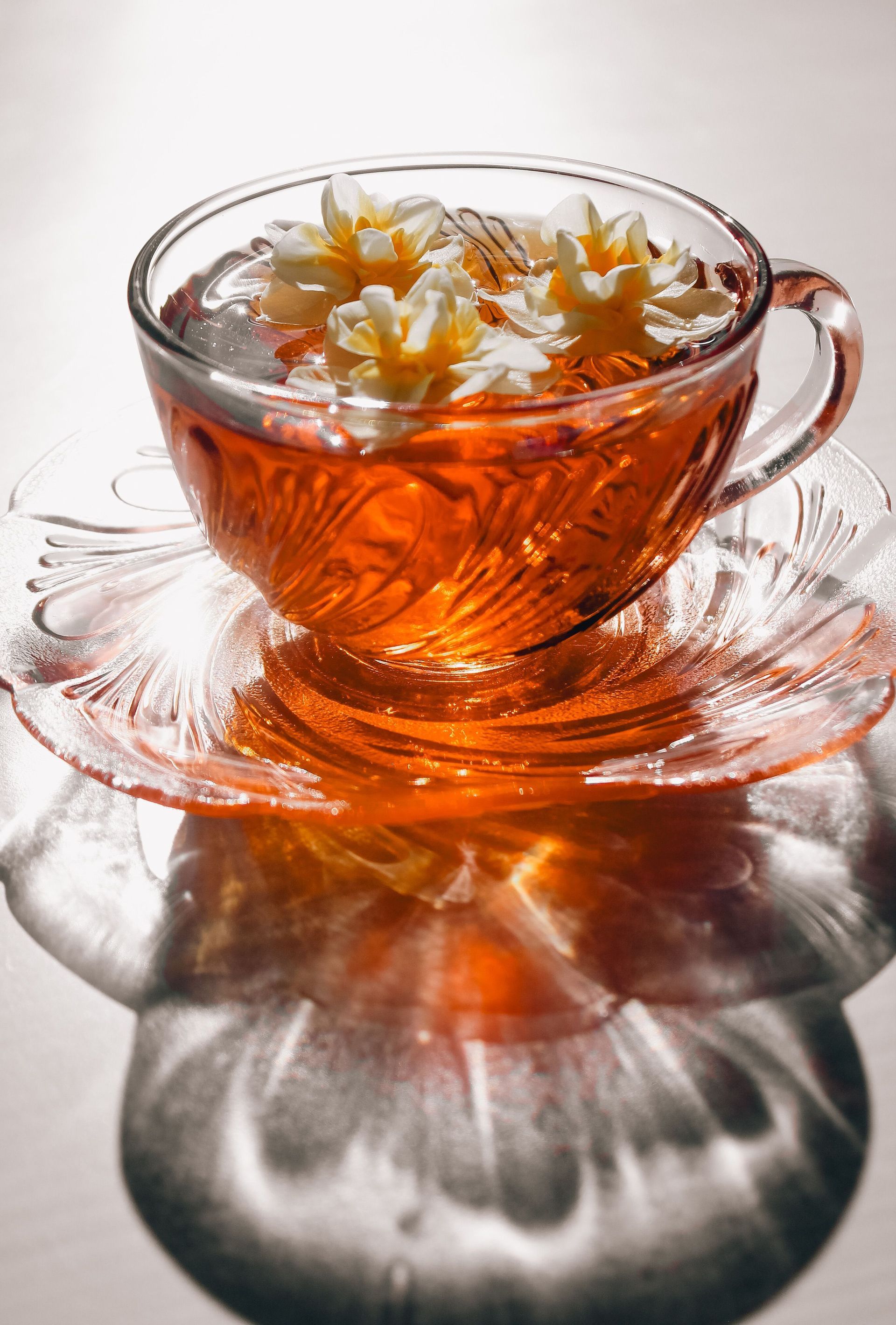
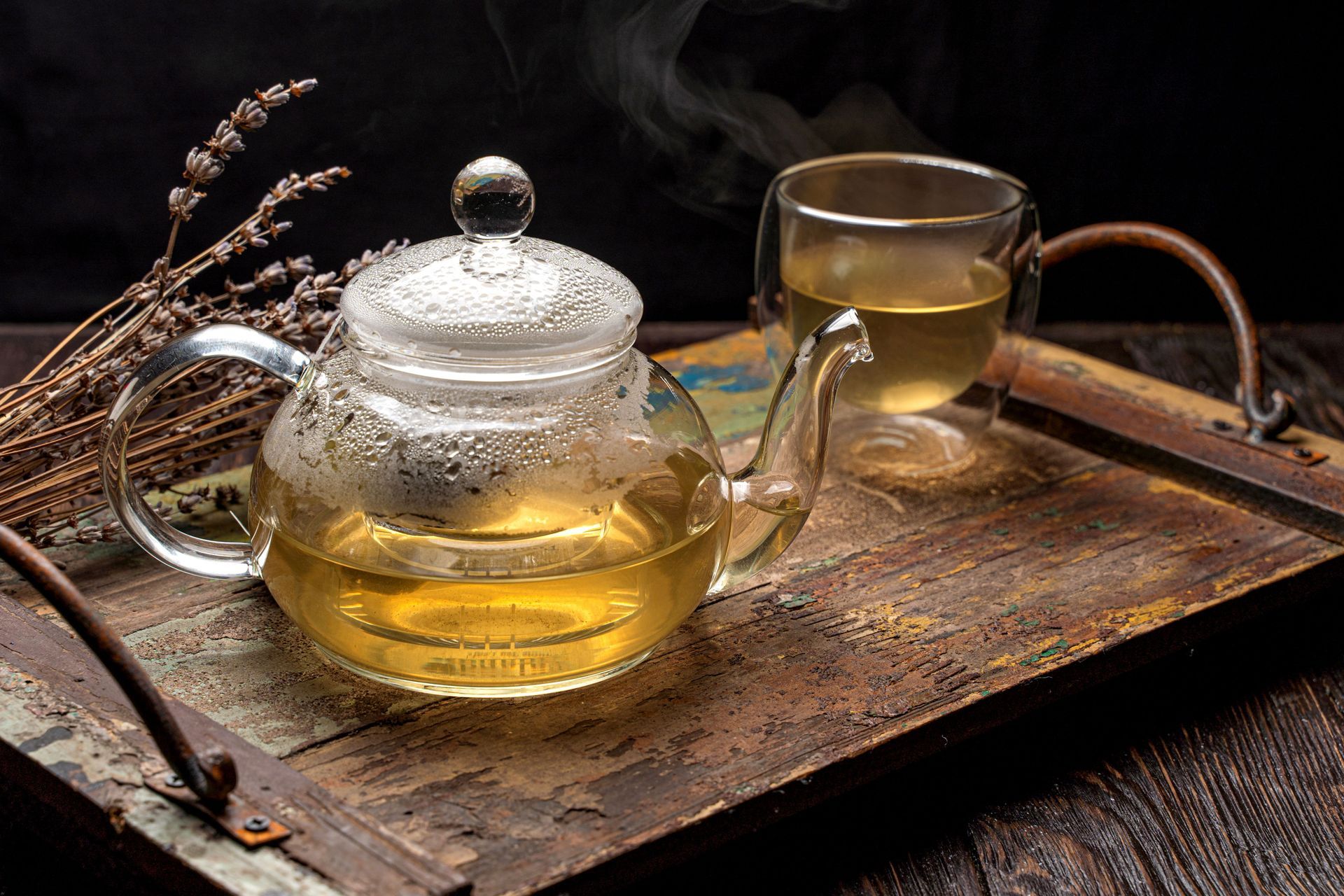
🌼 Roman Chamomile Tea
Ingredients
·
2–3 teaspoons dried Roman chamomile flowers (or 1 generous tablespoon fresh flowers)
·
250 ml freshly boiled water
Method
1. Place the flowers into a teapot or cup.
2. Pour over freshly boiled water.
3. Cover and infuse for 8–10 minutes.
4. Strain before drinking.
Traditionally enjoyed after meals to support digestion or in the evening as a gentle relaxing infusion.
🌼 Roman Chamomile Infused Oil
Ingredients
·
Dried Roman chamomile flowers
·
Cold-pressed sweet almond oil or jojoba oil
Method
1. Fill a sterilised glass jar halfway with dried flowers.
2. Cover completely with oil.
3. Stir gently to remove any trapped air.
4. Seal and leave in a warm place for 3–4 weeks, shaking gently every day.
5. Strain through muslin into a clean dark bottle.
Traditionally used as a soothing massage oil or as the base for creams, balms and salves.
🌼 Roman Chamomile Healing Balm
Ingredients
·
50 ml Roman chamomile infused oil
·
50 ml calendula infused oil
·
15 g beeswax
·
5 drops Vitamin E oil
Optional:
·
5–10 drops Roman chamomile essential oil
Method
1. Gently melt the beeswax together with both infused oils using a bain-marie.
2. Remove from the heat.
3. Stir in the Vitamin E (and essential oil if using).
4. Pour into sterilised tins or jars.
5. Allow to cool completely before sealing.
Traditionally applied to dry, irritated or sensitive skin as required.
🌿 Did You Know?
Roman chamomile was once planted as entire fragrant lawns in English gardens. As people walked across the plants, the foliage released its sweet apple aroma into the air—turning an ordinary garden path into a naturally scented experience.
References
Chevallier A. Encyclopedia of Herbal Medicine. DK Publishing.
Hoffmann D. Medical Herbalism: The Science and Practice of Herbal Medicine. Healing Arts Press.
Barnes J, Anderson LA, Phillipson JD. Herbal Medicines. Pharmaceutical Press.
European Medicines Agency (EMA). Assessment Report on Chamaemelum nobile (L.) All., flos.
British Herbal Pharmacopoeia. British Herbal Medicine Association.
Royal Horticultural Society. Chamomile: Growing and History.
Disclaimer
The information provided in this article is intended solely for educational purposes and should not be interpreted as medical advice, diagnosis or treatment. Herbal medicines may not be suitable for everyone and may interact with prescribed medications or underlying medical conditions.
Always consult a suitably qualified healthcare professional or registered medical herbalist before using herbal medicines, particularly during pregnancy, breastfeeding, when treating children, or if you have an existing medical condition.
Although every effort has been made to ensure the accuracy of the information presented, Wildberry Clinic accepts no responsibility for any loss, injury or damage arising from the use or misuse of the information contained in this article.