Headache Through the Ages: From Herbal Remedies to Modern Physiology
Written by N. Streawbridge| 29 April 2026
How different medical traditions understood, classified and treated head pain
Headache is one of the oldest symptoms described in medical writing. Across ancient Egyptian, Greco-Roman, Persian, Arabic and medieval European medicine, physicians repeatedly turned to plants, resins, oils, vinegars and other preparations to relieve pain in the head.
But the most interesting part of this history is not simply that herbal remedies were used. It is that physicians gradually recognised something that remains fundamental today: not every headache is the same.
A pain affecting one side of the head was distinguished from more general head pain. Acute headache was treated differently from chronic headache. Trauma-related head pain was approached differently from recurrent headache. Later physicians developed increasingly elaborate classifications based on location, accompanying symptoms, triggers and perceived underlying physiology.
Modern headache medicine has taken that differentiation much further. For clinical herbal medicine, therefore, the important question is not simply: “Which herb is good for headaches?”
It is: “What kind of headache is this, and what physiology is generating it?”
Ancient Egypt: Headache, Observation and Early Pharmaceutics
Egyptian medicine was already highly organised during the Old Kingdom, more than four thousand years ago. Some of the earliest surviving Egyptian medical traditions, particularly the material preserved in the Edwin Smith Papyrus, show a remarkably structured approach to trauma: examination, localisation of injury, diagnosis, prognosis and treatment.
This is important in the history of headache because the earliest Egyptian physicians did not necessarily regard pain in the head as a disease in itself. Head symptoms could arise from structural injury and needed to be examined in context.
Later Egyptian medical texts preserve a much larger pharmacological tradition. The Ebers Papyrus, copied around 1550 BCE, contains a series of remedies for painful conditions of the head. Scholars have identified several different locations of head pain in the Egyptian material, although the descriptions are not sufficiently precise to retrospectively diagnose modern migraine.
One of the clearest plant-based formulations is prescription Eb 254:
An Egyptian Headache Balm
Frankincense — 1 part
Cumin — 1 part
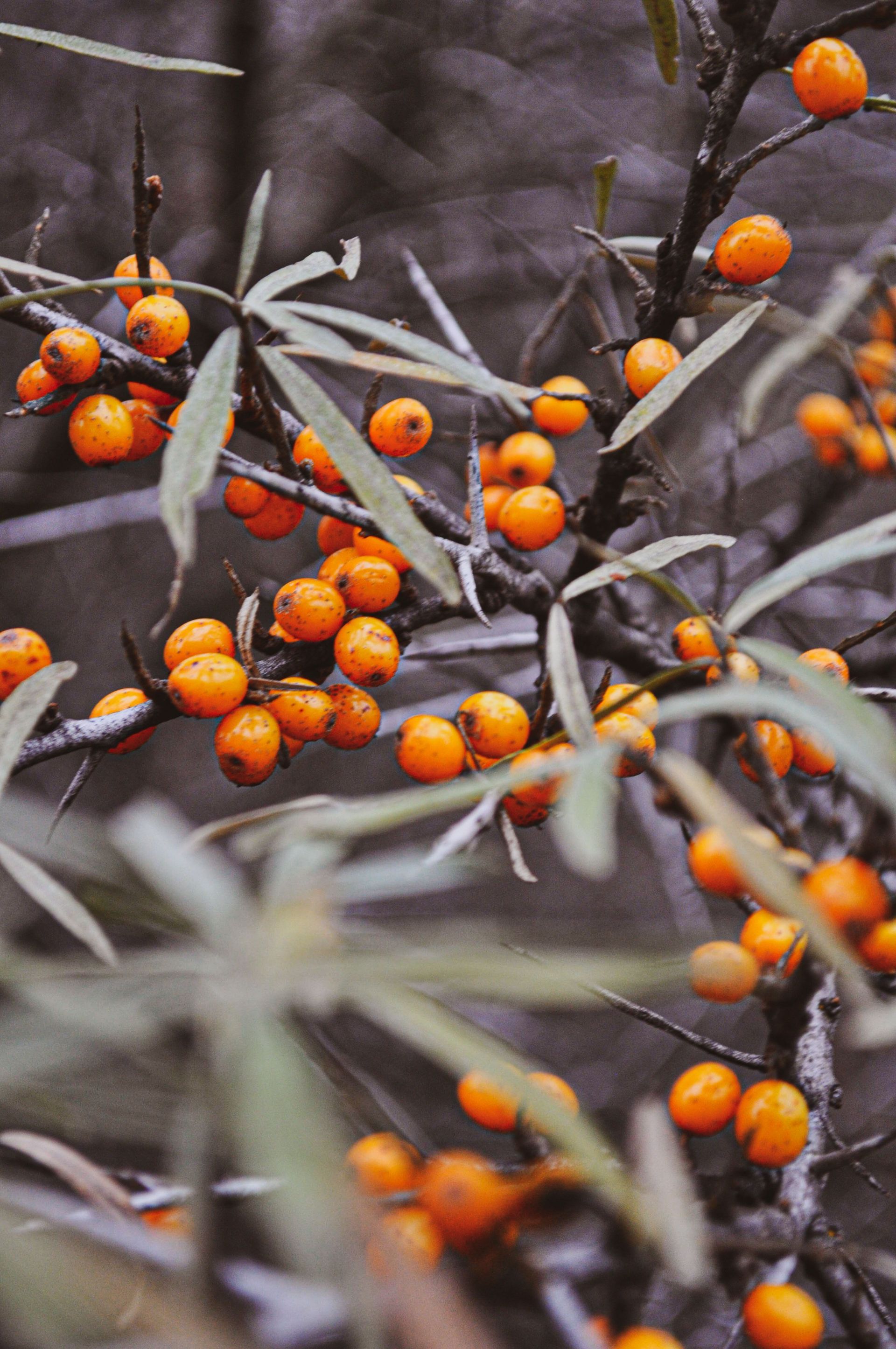
Prickly juniper berries — 1 part
Goose fat — 1 part
The ingredients were cooked together and rubbed onto the painful head. Nearby prescriptions repeatedly use related materials, including frankincense, juniper, myrrh, conifer resins, aromatic seeds, oils and fats.
This repeated combination suggests more than simple plant selection. It suggests an early form of pharmaceutical formulation: aromatic and resinous materia medica + a lipid vehicle + direct topical application.
The lipid base would have altered consistency, helped disperse fat-soluble plant constituents and kept the preparation in prolonged contact with the skin.
A Recurring Pattern: Aromatic Berries, Seeds and Resins
One particularly interesting feature of these historical formulas is the repeated use of aromatic fruits and seeds. Ancient Egyptian headache remedies include juniper berries and cumin.
Later Greco-Roman and medieval remedies include laurel berries, cardamom and black cumin.
Many of these plants contain substantial volatile terpene fractions. Juniper berries, for example, contain monoterpenes such as α-pinene, sabinene, myrcene and limonene. Laurel berries are chemically different, but they too contain aromatic terpenoid constituents.
We cannot conclude from this that historical physicians were deliberately targeting a particular modern pain pathway. However, the recurrence raises a legitimate question: Were generations of practitioners repeatedly observing useful local sensory effects from aromatic, terpene-rich topical medicines? That remains an interesting subject for modern investigation.
Greece and Rome: Headache Begins to Be Classified
Greek medicine introduced increasingly detailed clinical descriptions of headache. A well-known Hippocratic case describes visual disturbance followed by severe pain beginning near one temple and spreading through the head and neck. Although retrospective diagnosis must always be cautious, the description has often been compared with migraine with aura.
Later, Aretaeus of Cappadocia distinguished three principal headache patterns:
- cephalalgia — relatively acute head pain;
- cephalaea — more persistent or chronic headache;
- heterocrania — severe one-sided headache associated with symptoms including nausea and aversion to light and odours.
Galen later used the term hemicrania, meaning pain affecting half the head. The linguistic descendants of hemicrania eventually gave rise to the word migraine.
The physiological explanations of these physicians were based largely on humoral medicine and are no longer medically accepted. But the observational advance was important: headache was becoming a group of different clinical patterns rather than a single symptom requiring one universal remedy.
Greco-Roman Headache Formulations
The pharmaceutical literature of the Greco-Roman world shows a striking resemblance to some earlier Egyptian preparations. One historical formulation for chronic headache combined approximately equal amounts of: myrrh + spikenard + cardamom carried in rose oil.
Another used: cardamom + vinegar + rose oil to make a preparation applied to the forehead.
Importantly, historical “rose oil” generally did not mean the concentrated steam-distilled rose essential oil familiar today.
It was commonly a rose-infused fixed oil, often prepared using olive oil or another fatty carrier.
Once again, the formulation architecture is notable: aromatic material + resin + fixed oil or
aromatic plant + oil + vinegar.
Why Vinegar?
Vinegar appears repeatedly in Greek, Persian and medieval European headache preparations.
It probably served several functions simultaneously. It could act as:
- an acidic extraction medium;
- a wetting agent;
- an aqueous phase in freshly prepared pastes and poultices;
- a modifier of consistency and drug release;
- and possibly a therapeutically active sensory ingredient.
Historical practitioners did not describe acid-sensing ion channels or trigeminal nociceptors.
Modern physiology, however, shows that acidic substances can influence sensory nerve signalling.
Avicenna: Different Headaches, Different Treatments
By the time of Ibn Sina — Avicenna — around the early 11th century, headache medicine had become considerably more elaborate. In the Canon of Medicine, Avicenna described different types and possible origins of headache and modified treatment accordingly. His classifications were based on the physiological concepts of his period, including distinctions such as “hot”, “cold”, “dry” and other humoral states. The clinical principle remains interesting: different headache patterns required different treatment strategies.
Historical local preparations associated with Avicennian and later Persian medicine include combinations involving:
- rose oil;
- rue;
- mint;
- myrrh;
- galbanum;
- asafoetida;
- other aromatic gum-resins;
- vinegar.
Some preparations were topical; others were administered through the nose. Persian medical literature eventually described more than twenty different headache categories and used a very large botanical materia medica across oral, topical and nasal preparations.
Again, the message was not: “This is the herb for headache.” It was: “What type of headache is this?”
The Formulation Was Part of the Medicine
Another lesson from historical headache treatment is that physicians were not simply selecting “active herbs”. They were also selecting vehicles and excipients.
Across the traditions we find:
- Oils - Used to extract and deliver fat-soluble and aromatic constituents.
- Vinegar - Used as an acidic aqueous vehicle and extraction medium.
- Milk - Used in some later medical traditions as a mixed aqueous-lipid vehicle, diluent and modifier of potent preparations.
- Plant gums and mucilages - Used to thicken preparations, suspend powders and help medicines remain in contact with the skin.
- Waxes and resins - Used to alter consistency, adhesion and persistence.
- Egg white and flour - Used in some medieval preparations to structure topical pastes and poultices.
Anglo-Saxon England: The “Half-Headache”
Around the 10th century, Bald’s Leechbook preserved several remedies specifically for “half-headache. Preparations included:
- laurel berries + vinegar + oil crushed and applied externally;
- nettle + vinegar + egg white applied to the affected side;
- and various preparations involving rue, mustard and other aromatic plants.
The resemblance to earlier Mediterranean formulas is striking. The Egyptian physicians had used juniper berries in lipid-based topical preparations. The Anglo-Saxon tradition used laurel berries in vinegar and oil.
These are different plants and different medical traditions, and similarity alone does not prove direct transmission. But both belong to a broader recurring pattern: aromatic berries or seeds + a pharmaceutical vehicle + direct application to the painful area.
Medieval Ireland
Medieval Irish medical manuscripts preserve their own headache treatments. A medical compendium associated with Connla Mac an Leagha, a member of an Irish hereditary medical family, contains a versified remedy for severe head pain involving ivy gathered from several different host trees. The ivy was boiled to produce a wash that was applied to the head.
These texts are important because medieval Irish medicine was not simply oral folk medicine.
Irish hereditary physicians worked within a learned medical culture that absorbed and adapted material from wider European medical traditions while preserving vernacular Irish therapeutic knowledge.
Salerno, France and the European Herbal Tradition
The medieval School of Salerno became one of the great centres through which Greek, Latin and Arabic medicine entered later European medical practice. From the Salernitan tradition emerged important materia-medica texts such as the Circa instans, which later circulated in French as the Livre des simples médecines and in other European languages.
One plant became particularly associated with the head:
Betonica officinalis / Stachys officinalis
Betony appears repeatedly in medieval and early-modern European headache medicine. Other frequently mentioned plants included:
- rose;
- violet;
- rue;
- vervain;
- lavender;
- rosemary;
- water lily;
- aromatic spices.
Again, remedies were sometimes varied according to whether the headache was believed to arise from “heat”, “cold” or other humoral states.
What Modern Medicine Now Calls “Headache”
Today we understand much more clearly that headache is not one disease. The International Classification of Headache Disorders distinguishes numerous primary and secondary headache disorders. Major clinical categories include:
Migraine
A neurological disorder that may involve throbbing or pulsating pain, sensory sensitivity, nausea and sometimes aura.
Migraine biology involves complex interactions between the nervous system, trigeminovascular signalling, sensory processing and mediators such as CGRP.
Tension-Type Headache
Usually characterised by pressing or tightening pain rather than the typical pulsating quality of migraine.
Peripheral muscular or myofascial input may contribute, while chronic forms can also involve altered central pain processing.
Cluster Headache and Other Trigeminal Autonomic Cephalalgias
These are very different neurological disorders involving severe unilateral pain and characteristic autonomic symptoms. They should not be approached as ordinary “stress headaches”.
Cervicogenic Headache
Headache arising from cervical structures. The clinical problem may therefore involve cervical joints, muscles and associated neural pathways rather than primarily intracranial mechanisms.
Medication-Overuse Headache
Repeated use of acute headache medicines can itself contribute to chronic headache in susceptible people.
Secondary Headaches
Head pain can also occur secondary to infection, vascular disease, trauma, medications, sinus or dental disease and many other medical conditions.
NICE therefore recommends diagnosing migraine, tension-type headache and cluster headache according to their characteristic clinical features rather than treating “headache” as a single category.
How Clinical Herbal Medicine Approaches Headache
Modern clinical herbal medicine should begin with the same fundamental question that gradually emerged throughout this history: What is actually producing this person's headache?
The formulation may therefore differ substantially depending on the dominant physiology.
A clinical assessment might consider:
- Neurological and trigeminovascular signalling. Particularly relevant in migraine.
- Cervical and muscular contribution. Important in some tension-type and cervicogenic presentations.
- Autonomic and stress physiology. Sleep deprivation, sustained sympathetic activation and stress can alter headache thresholds in susceptible individuals.
- Hormonal pattern. Some migraine is strongly influenced by fluctuations in ovarian hormones, particularly around menstruation and other reproductive transitions.
- Sleep and circadian rhythm. Changes in sleep and circadian organisation can influence several headache disorders.
- Inflammatory or infectious causes. These require appropriate diagnosis before any botanical strategy is considered.
- Medication use. Frequent use of acute analgesics or migraine medicines can itself become part of the headache physiology.
- Nutrition, hydration and metabolic context. These may modify headache thresholds in some individuals, although they should not automatically be assumed to be the primary cause.
The objective is therefore not to select a fashionable “headache herb”.
It is to understand the
dominant physiological pattern, identify anything requiring medical investigation, and then decide whether botanical medicine has an appropriate supportive role.
What the History Teaches Us
The history of herbal headache treatment is not a straight progression from superstition to science. Ancient physicians could sometimes be remarkably observational. Empirical medicine, pharmacology, religious medicine and magical practices often existed alongside one another.
Knowledge was transmitted, modified, translated, lost and rediscovered. But one idea appears repeatedly: head pain was not always treated as one homogeneous disorder.
Ancient Egyptian physicians distinguished different locations and causes of head pain. Greco-Roman physicians classified different headache patterns. Avicenna developed increasingly elaborate distinctions. Medieval European physicians changed remedies according to the pattern they believed they were treating. Modern medicine has replaced those older physiological explanations with increasingly detailed neurological and clinical classifications. But the practical principle remains: There is no single herb for “headache” because headache is not a single disease.
Clinical herbal medicine therefore begins not with the herb. It begins with the person, the headache phenotype, the underlying physiology and the question: What is generating this pain?
Only then should treatment be chosen.
References
Karenberg A, Leitz C. Headache in magical and medical papyri of ancient Egypt. Cephalalgia. 2001.
Sächsische Akademie der Wissenschaften zu Leipzig. Papyrus Ebers, digital scholarly edition and translation, including prescriptions Eb 252–255.
Koehler PJ. History of migraine. 2023.
Koehler PJ, van de Wiel TWM. Aretaeus on migraine and headache. Journal of the History of the Neurosciences.
International Headache Society. International Classification of Headache Disorders, 3rd edition (ICHD-3).
National Institute for Health and Care Excellence. Headaches in over 12s: diagnosis and management. CG150. Updated 2025.
Educational and Medical Disclaimer
This article is provided for educational and informational purposes only. It does not constitute medical advice and is not intended to replace consultation, diagnosis or treatment by a suitably qualified healthcare professional.
Historical formulations are included to illustrate the development of herbal medicine and pharmaceutical practice. They should not be interpreted as instructions for self-treatment, and historical use does not establish modern safety or efficacy.
Headache can occasionally be a symptom of serious disease. New, severe, rapidly changing or otherwise concerning headaches require appropriate medical assessment.
Scientific understanding and clinical evidence continue to evolve.
Wildberry Clinic
Clinical herbal medicine grounded in science and individualised care.
Recent Posts